
What Is Panchakarma?
The Ancient Science of Deep Detox and Rejuvenation
In our fast-paced, modern world, the concept of healing is often limited to quick fixes—pills for symptoms, external treatments for internal disorders, and temporary relief over lasting restoration. Ayurveda, the science of life, offers a radically different approach through Panchakarma—a time-tested system that works from the inside out to detoxify the body, calm the mind, and restore natural balance.
If you’re experiencing chronic fatigue, digestive discomfort, skin issues, anxiety, or simply feeling “off,” Panchakarma might just be the reset your body and mind need.
What Is Panchakarma?
The word Panchakarma comes from Sanskrit—Pancha meaning five and Karma meaning actions or treatments. It is the five-fold purification therapy of Ayurveda that eliminates accumulated toxins (Ama) and restores balance to the body’s three fundamental energies or Doshas: Vata, Pitta, and Kapha.
Unlike conventional detox programs that may focus only on diet or cleansing herbs, Panchakarma is a comprehensive and individualized detox system. It works at the level of tissues (Dhatus), channels (Srotas), and mind (Manas) to clear toxins and rejuvenate vital functions.
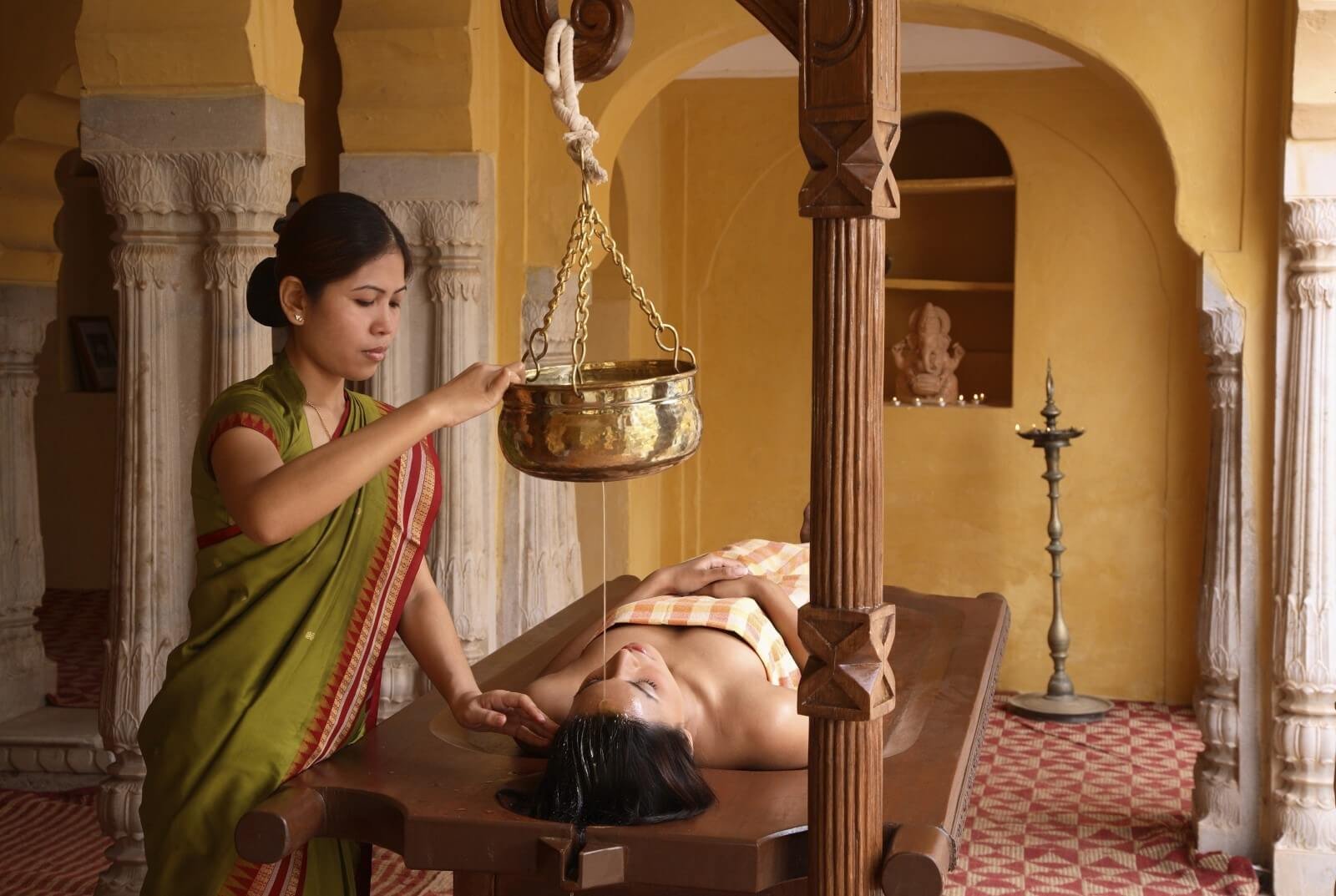
Why Is Panchakarma Needed?
The human body is naturally designed to process and eliminate waste. However, due to poor dietary habits, sedentary lifestyles, stress, environmental pollutants, and emotional imbalances, our detox systems become sluggish. This leads to the accumulation of Ama—a sticky, foul-smelling toxic residue that clogs the body’s channels and impairs Agni, or digestive fire.
When Agni is weakened and Ama accumulates, it leads to:
- Sluggish metabolism
- Poor digestion
- Brain fog and anxiety
- Skin conditions
- Hormonal imbalances
- Autoimmune and chronic illnesses
Panchakarma addresses the root cause of these issues—not just the symptoms—by cleansing the body at a deep cellular level.
The Five Core Treatments of Panchakarma
While the entire Panchakarma experience is tailored to your unique constitution (Prakriti), the five primary treatments are:
- Vamana (Therapeutic Emesis)
Used for Kapha imbalances, especially in cases of allergies, asthma, congestion, or obesity. This involves induced vomiting using herbal decoctions to clear toxins from the upper digestive tract.
- Virechana (Purgation Therapy)
Ideal for Pitta-related issues like skin disorders, acidity, and inflammation. It uses herbal laxatives to cleanse the liver, gallbladder, and intestines.
- Basti (Medicated Enemas)
Considered the most effective therapy for Vata disorders. Herbal oils or decoctions are introduced via the rectum to nourish and lubricate the colon, aiding in relief from arthritis, constipation, and neurological disorders.
- Nasya (Nasal Therapy)
Purifies the head and sinuses by administering herbal oils or powders through the nostrils. Effective for headaches, migraines, sinusitis, and mental clarity.
- Raktamokshana (Bloodletting Therapy)
Traditionally used to treat blood-borne disorders like acne, eczema, or high blood pressure. It is rarely used today and often replaced by herbal detox methods.
The Panchakarma Process: What to Expect
Panchakarma is not a one-size-fits-all therapy. It unfolds in carefully prepared phases over several days or weeks, depending on your body’s condition, doshic imbalances, and health goals.
- Poorva Karma (Preliminary Preparation)
This phase prepares the body to receive Panchakarma by loosening toxins:
- Snehana: Internal and external oleation using medicated oils
- Swedana: Steam therapy to open the channels and liquefy toxins
These therapies help move Ama from the deeper tissues to the digestive tract, where it can be expelled.
- Pradhana Karma (Main Detox Treatments)
This is the actual Panchakarma process—emesis, purgation, enemas, etc.—selected based on your doshic imbalance.
- Paschat Karma (Post-Therapy Care)
Following detox, a rejuvenation phase restores strength and vitality:
- Special diet (Samsarjana Krama)
- Herbal supplements
- Lifestyle adjustments
- Yoga and meditation practices
How Panchakarma Heals: The Science Behind the Therapy
Scientific studies have shown that Panchakarma:
- Lowers oxidative stress in the body, reducing free radical damage
- Improves lipid profiles and cholesterol levels1
- Boosts immune response by resetting inflammatory markers2
- Enhances parasympathetic (rest & digest) nervous system activity, promoting calm and restoration3
It’s not just a detox—it’s a biological reset.
Benefits of Panchakarma
- Restores digestive health and metabolic strength
- Improves skin texture and glow
- Promotes sound sleep and emotional stability
- Rebalances hormonal function
- Strengthens immunity
- Delays the signs of aging
- Promotes mental clarity and focus
Many also report a heightened sense of lightness, energy, and spiritual clarity after Panchakarma.
When Should You Do Panchakarma?
Ayurveda recommends Panchakarma during seasonal transitions, particularly:
- Spring – to clear Kapha congestion
- Autumn – to balance Pitta heat
- Anytime you feel out of sync, stressed, bloated, or fatigued
It is also indicated for managing chronic conditions like arthritis, IBS, anxiety, infertility, and more.
FAQs About Panchakarma
Q: Is Panchakarma safe for everyone?
A: Panchakarma is highly individualized. It’s safe when done under the guidance of a certified Ayurvedic practitioner. Pregnant women, elderly individuals, or those with severe illness should consult a doctor first.
Q: How long does Panchakarma take?
A: Depending on your needs, a Panchakarma program can range from 5 to 21 days. Some individuals may benefit from even longer regimens.
Q: Will I need to follow a special diet during Panchakarma?
A: Yes. A simplified, dosha-balancing diet is followed during the program to support detox and rejuvenation. This often includes warm, spiced foods like kitchari.
Q: Can I continue my regular routine during Panchakarma?
A: Panchakarma is best done in a restful, retreat-like setting. While mild activity is fine, overexertion and intense work are discouraged during treatment.
Q: How often should I do Panchakarma?
A: Ideally, once or twice a year—especially during seasonal transitions or whenever you feel imbalanced or sluggish.
Panchakarma is not just a detox—it’s a profound healing system that cleanses, restores, and reawakens the body’s natural intelligence.
If you’re ready to embrace authentic wellness and experience the rejuvenation of your body, mind, and spirit, consider booking a Panchakarma consultation with one of our experienced Ayurvedic doctors. Let ancient wisdom guide you back to balance.
Footnotes
- Reddy, S., et al. (2011). Clinical evaluation of Panchakarma therapy on lipid profile in patients of hyperlipidemia. AYU Journal.
- Chopra, A., et al. (2004). Effect of Ayurvedic detox therapies on inflammatory markers in chronic illnesses. Indian Journal of Clinical Biochemistry.
- Wallace, R.K. (1986). The neurophysiology of detoxification through Panchakarma therapies. Journal of Ayurveda and Integrative Medicine.
Testimonials:
https://www.youtube.com/watch?v=1A6bk0qyCXk&t=164s
https://youtu.be/eFOc9AgLnjA?si=0xnSCMwHzA6qP-5J
https://youtu.be/j7DMsNWRwRU?si=29RRJn5Dyy1vbbmk
https://youtu.be/F1jGaG4HwvE?si=ERt5kb7RkAYnp-s0
https://maps.app.goo.gl/94gdjN9juN3jAq2ZA
https://maps.app.goo.gl/vfQXc3vwVC5DXu5w6
https://maps.app.goo.gl/6XHaVGdcwhbCvJqp8
https://maps.app.goo.gl/EHZGbGieUQVTCv8SA
https://maps.app.goo.gl/25PpX1fpbh3ZjMZj6
https://maps.app.goo.gl/VbWjBSotM4AerbXM9
- What is Panchakarma - October 31, 2023