
Skin Diseases Symptoms and Ayurvedic Treatment
Treat Your Skin with Ayurveda
A clear, glowing, and lustrous skin enhances the personality of an individual. In Ayurveda, healthy skin is not just a result of skincare routines but is deeply rooted in our internal health. According to ancient Ayurvedic wisdom, the skin reflects the state of the digestive system, mental well-being, and overall doshic balance (Vata, Pitta, Kapha).
Therefore, treating the skin begins not at the surface, but within the body itself.
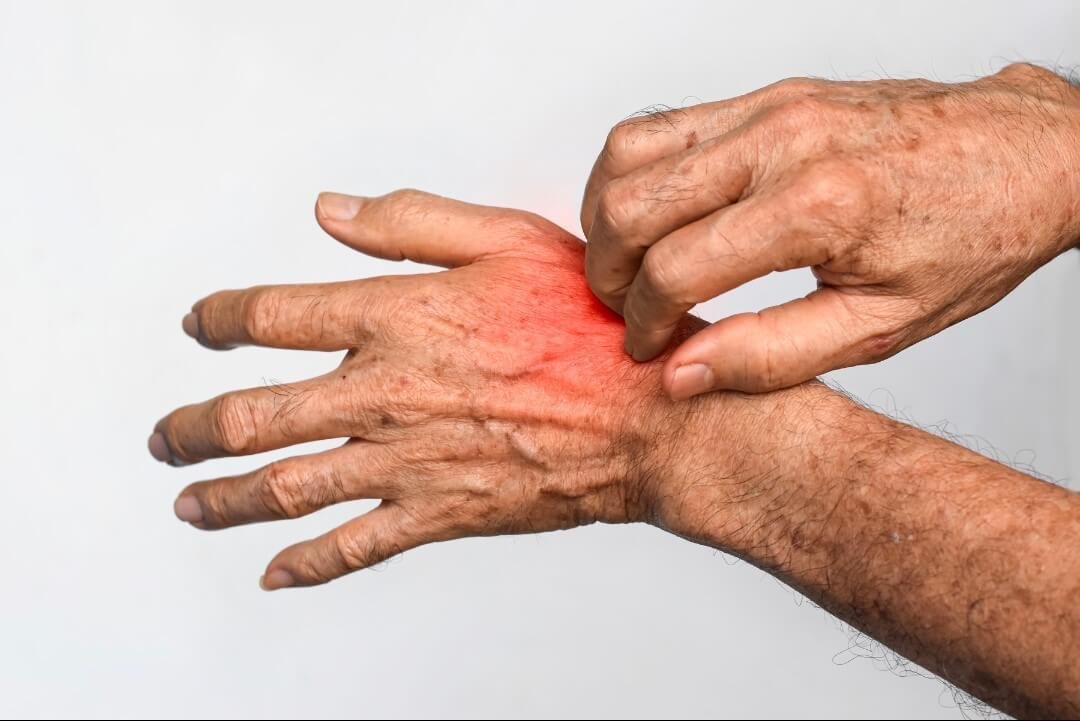
Understanding the Root Cause of Skin Problems
Ayurveda identifies improper diet and lifestyle as the primary root causes of skin conditions. Overconsumption of oily, fried, spicy, or incompatible foods, irregular meal timings, overeating, and poor digestion can lead to the accumulation of toxins (ama) in the body. These toxins eventually enter the bloodstream and manifest as skin issues.
Other lifestyle habits such as excessive alcohol consumption, smoking, sleep deprivation, and chronic stress also weaken digestion and create an imbalance in the doshas. This internal disharmony disturbs the natural detoxification processes and leads to skin ailments like:
- Acne
- Psoriasis
- Eczema
- Dermatitis
- Hives
- Rosacea
- Rashes
- Seborrheic dermatitis
Ayurveda asserts that no topical remedy can truly heal the skin unless the internal root causes—primarily poor digestion and toxin buildup—are addressed.
Ayurvedic View on Skin and Doshas
Each individual’s skin type is influenced by their dominant dosha:
- Vata Skin: Dry, rough, thin, and prone to premature aging and
- Pitta Skin: Sensitive, oily, prone to redness, acne, and
- Kapha Skin: Thick, oily, cool, and prone to clogged pores and cystic
Understanding one’s dosha allows for personalised treatments to balance the skin. For example, Pitta-dominant individuals may need cooling herbs and detoxification, while Vata types require nourishment and hydration.
Ayurvedic Treatments for Skin Conditions
Ayurveda uses a combination of herbal remedies, diet, lifestyle changes, and detoxification procedures to treat skin conditions. Here’s a typical treatment protocol:
1. Detoxification (Shodhana)
Ayurveda uses Panchakarma, a series of five detoxification therapies, to expel toxins from the body. Treatments like Virechana (therapeutic purgation) are particularly effective for Pitta-related skin issues. Detoxing purifies the blood and removes the root cause of inflammation and infection.
2. Internal Medications
Herbs like Neem, Manjistha, Turmeric, Guduchi, and Amla are powerful blood purifiers and skin healers. These herbs help reduce inflammation, fight bacteria, and rejuvenate the skin from within.
3. Topical Treatments
Ayurveda offers a wide range of external applications using herbal oils and pastes, such as:
- Kumkumadi oil – for skin glow and pigmentation
- Eladi oil – for skin rashes and allergies
- Aloe vera gel – for cooling and healing
- Herbal lepas (masks) made from sandalwood, turmeric, and rose water
4. Dietary Corrections
A skin-friendly Ayurvedic diet emphasizes fresh, seasonal, and easily digestible foods. It avoids processed, fried, and heavy meals. Cooling foods like cucumber, coriander, and bitter greens help pacify Pitta and cleanse the liver and blood.
5. Lifestyle and Mind-Body Practices
Balancing the mind is just as important as detoxing the body. Ayurveda recommends:
- Daily Abhyanga (self-massage) with coconut or medicated oils
- Yoga asanas like Bhujangasana and Sarvangasana for better circulation
- Pranayama (breathwork) and meditation to calm the nervous system
- Maintaining a regular sleep routine to support the body’s natural healing
When to See an Ayurvedic Doctor
While minor skin issues can often be managed with dietary and lifestyle adjustments, persistent or chronic skin conditions like eczema, psoriasis, or cystic acne require a deeper evaluation. An Ayurvedic practitioner will assess your prakriti (constitution), vikriti (imbalance), digestion, toxin load, and mental health before customising a holistic healing plan.
The personalised plan may include:
- Dosha-balancing herbs and oils
- Detox therapies such as Vamana or Virechana
- Rejuvenating therapies (Rasayana) to rebuild tissues
- Guidance on diet and dinacharya (daily routine)
With the right diagnosis and support, Ayurveda can offer long-lasting relief from even the most stubborn skin ailments.
Frequently Asked Questions (FAQs)
Q1: Can Ayurveda help with chronic skin conditions like psoriasis or eczema?
Yes. Ayurveda has successfully treated chronic skin issues by addressing their root causes, such as toxin buildup, poor digestion, and dosha imbalances.
Q2: How long does it take to see results with Ayurvedic treatments?
This varies per individual. Minor conditions may show improvement within a few weeks, while chronic diseases might take a few months of consistent therapy.
Q3: Is it necessary to follow a specific diet during treatment?
Absolutely. Diet plays a central role in Ayurvedic healing. Avoiding incompatible foods and eating according to your dosha is essential for effective treatment.
Q4: Are Ayurvedic skin treatments safe for sensitive skin?
Yes. Ayurvedic herbs and oils are natural and gentle on the skin, though it’s always best to consult a practitioner for tailored recommendations.
Q5: Can Ayurveda treat acne caused by hormonal imbalance?
Yes. Ayurveda addresses hormonal imbalance through diet, herbs, and detox, helping to regulate the endocrine system and reduce acne.
If you or someone you know is struggling with skin issues, consider consulting an Ayurvedic doctor. By healing from within, Ayurveda offers a sustainable path to radiant, healthy skin.
Footnotes:
- Sharma, V. (1995). Dravyaguna Vijnana – Ayurvedic Pharmacology.
- Lad, (1984). Ayurveda: The Science of Self-Healing. Lotus Press.
- Singh, H. (2007). Ayurvedic Management of Common Skin Diseases. International Journal of Ayurveda Research.
- Saper, B., et al. (2008). Lead, Mercury, and Arsenic in US- and Indian- Manufactured Ayurvedic Medicines. JAMA.
- Pole, (2006). Ayurvedic Medicine: The Principles of Traditional Practice. Elsevier Churchill Livingstone.
After years studying health care, the drug industry and studying Ayurveda with Deepak Chopra, Rita opened the Ayurvedic Wellness Centre in Bondi Junction in 2011.
The Ayurvedic Wellness Centre has become the preferred establishment in natural and holistic healing. With the warmth, compassion and expertise of our highly trained staff, we offer a truly authentic experience, restoring internal equilibrium, balance and well-being for the mind, body and soul.
- Gut Cleanse Detox - May 12, 2026
- Hot Flashes, Mood Swings, Fatigue? There’s a Better Way Through Menopause - February 25, 2026
- Meet Our Doctor: Dr. Taruna Yadav - May 13, 2025