Hot Oil Massage

Revitalise Your Senses with Hot Oil Massage Treatments

In the whirl of modern life, where stress, fatigue, and disconnection often seem like constants, ancient healing traditions offer us profound tools to return to ourselves. Among them, Abhyanga, the Ayurvedic hot oil massage, stands out as a deeply nourishing and restorative therapy designed to harmonise body, mind, and spirit. Rooted in the timeless science of Ayurveda, Abhyanga is not just a massage—it’s a ritual of self-love and healing that revitalises the senses and promotes profound wellness.

What Is Abhyanga?

Abhyanga is a traditional Ayurvedic massage therapy involving the rhythmic application of warm, medicated herbal oils tailored to your body constitution or dosha. Unlike conventional massages that may focus on deep- tissue techniques, Abhyanga prioritises nurturing strokes,

designed to soothe the nervous system, increase circulation, and detoxify the body at a cellular level.

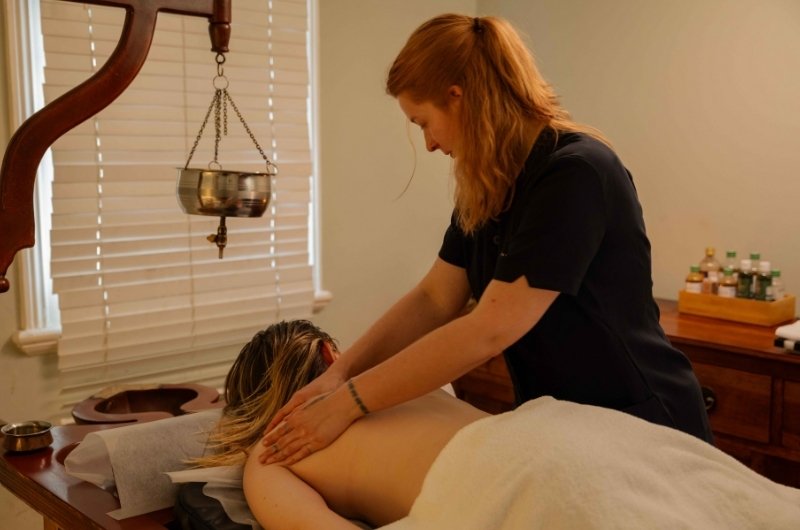
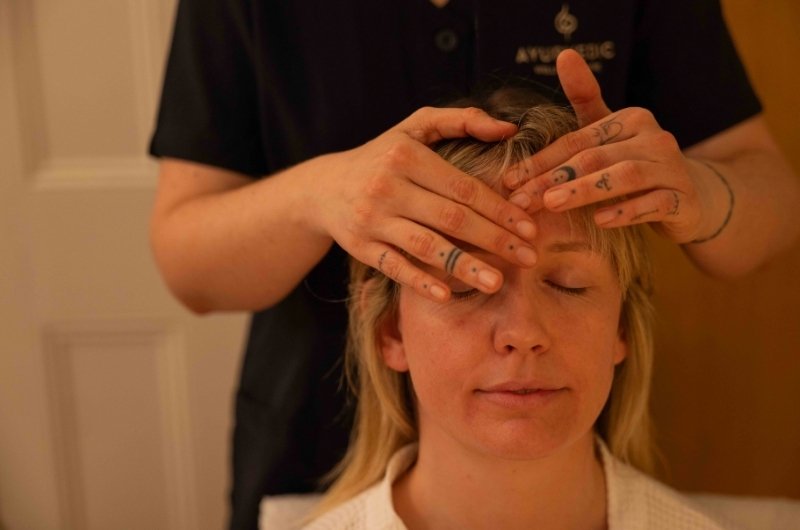
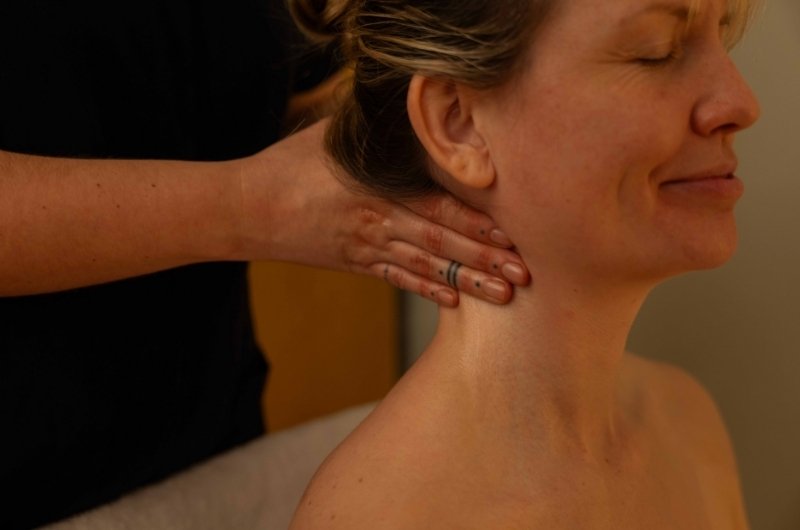
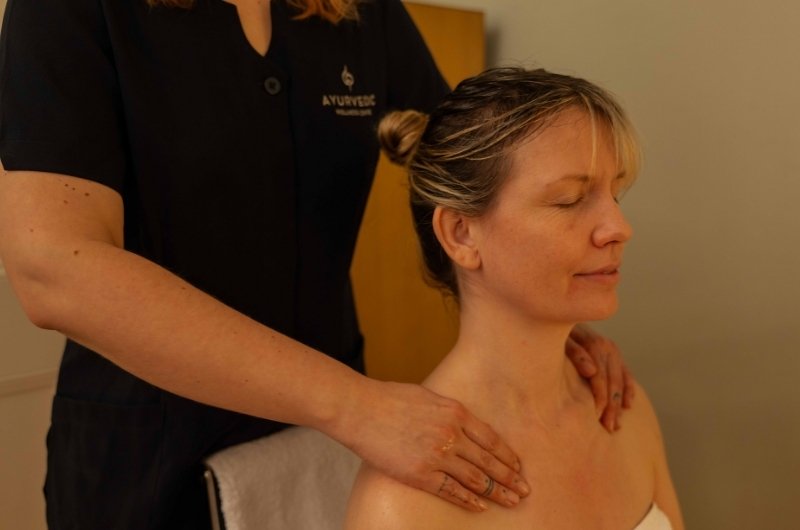
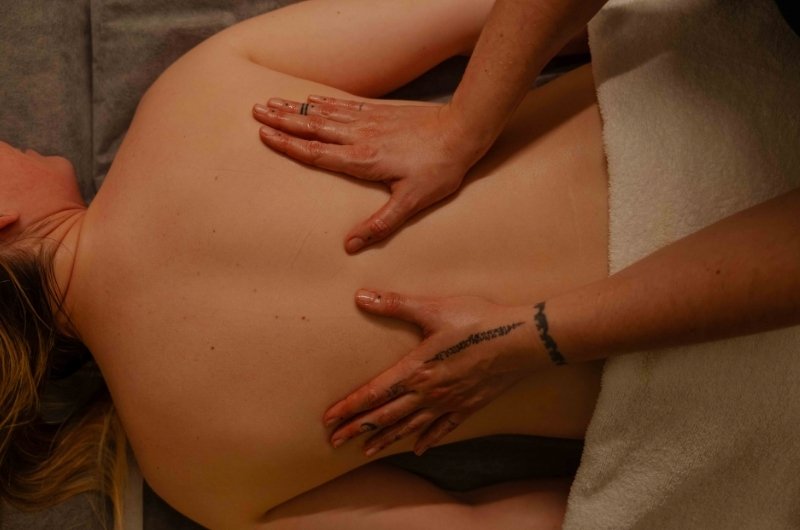
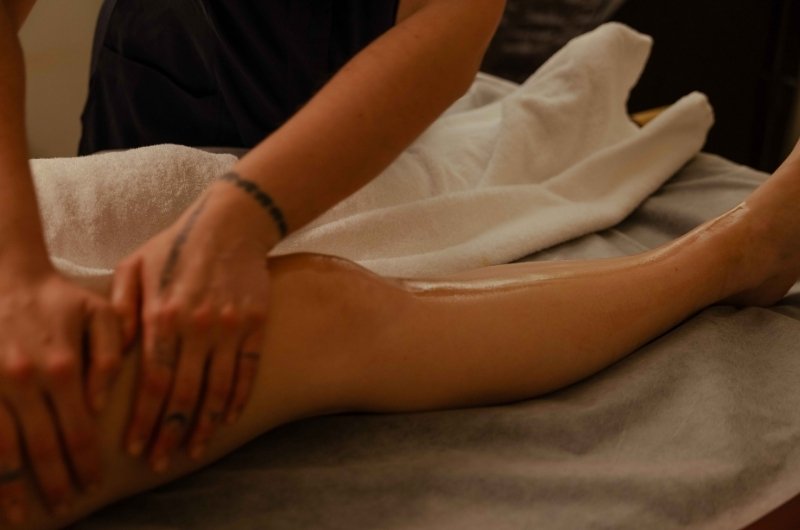
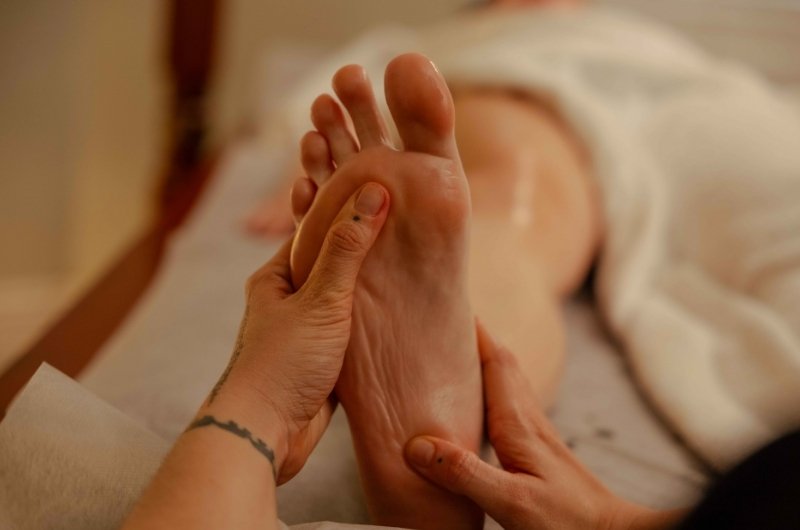
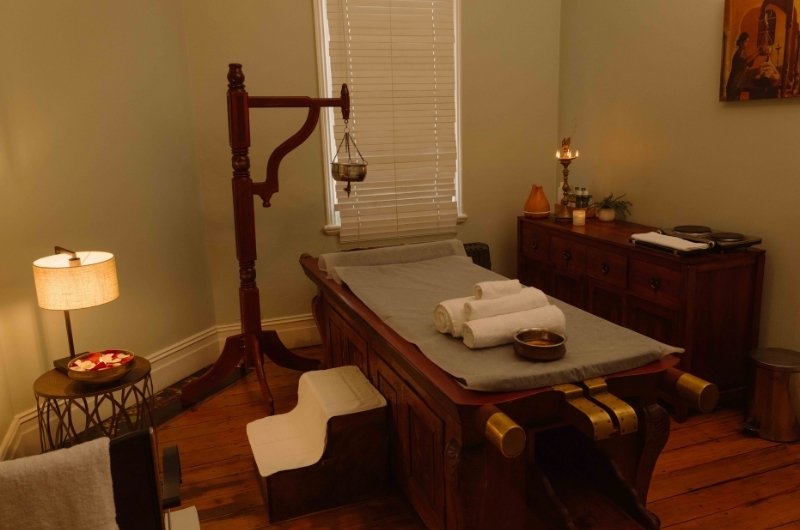
This treatment is typically offered in a serene, warm environment, enhancing the therapeutic effects of the oil. At centres like the Ayurvedic Wellness Centre in Bondi Junction, the experience often begins with a foot soak, followed by head, neck, and shoulder massage while soothing Gandharva music plays in the background. As the body relaxes, warm herbal oils are gently massaged across the body, encouraging lymphatic drainage, muscle release, and mental stillness.

The 60-minute Abhyanga is often followed by sound therapy or meditation, allowing the body to integrate the healing experience.

The Ancient Science Behind Hot Oil Massage

According to Ayurvedic philosophy, our health is governed by the balance of three fundamental energies known as the doshas—Vata, Pitta, and Kapha. Abhyanga works on a subtle level to balance these doshas, helping to release deep-seated toxins (ama) from tissues and guide them toward the digestive tract for elimination. This detoxification process, known as Srotas shodhana, plays a crucial role in maintaining vitality and longevity1.

Warm herbal oils are central to the treatment. Each oil is infused with specific herbs and ingredients based on the individual’s dosha and current imbalances. These oils penetrate the skin, enter the bloodstream, and begin working on the body’s deeper layers, including the muscular, circulatory, lymphatic, and nervous systems2.

The Many Benefits of Abhyanga Hot Oil Massage

A single session of Abhyanga can deliver a deep sense of calm and relaxation. But with regular practice, its cumulative benefits become even more remarkable.

Here’s how this sacred treatment revitalises your body and mind:

1. Enhances Circulation and Lymphatic Flow

The gentle, sweeping strokes stimulate the movement of blood and lymphatic fluids throughout the body, which is vital for detoxification and immune function.

2. Deeply Nourishes the Skin

Warm oils, such as sesame or coconut infused with herbs like ashwagandha or brahmi, moisturise and rejuvenate the skin, leaving it glowing and supple.

3. Reduces Stress and Promotes Mental Clarity

The calming rhythm of the massage, combined with the grounding properties of the oils, soothes the nervous system and encourages the release of endorphins—leaving you mentally clear and emotionally balanced3.

4. Improves Sleep Quality

By calming the mind and pacifying Vata dosha (associated with restlessness and anxiety), Abhyanga helps promote deep and restorative sleep, especially when received in the evening.

5. Eases Muscular Tension and Joint Stiffness

While not a deep-tissue massage, Abhyanga still effectively eases muscle aches, joint stiffness, and chronic fatigue, making it especially beneficial for those with arthritis or fibromyalgia.

6. Stimulates Creativity and Vital Energy

As tension dissolves, the subtle energy (prana) begins to flow more freely through the body, often resulting in greater clarity, energy, and creative inspiration.

7. Supports Emotional Release

Stored emotions and trauma often find their way into the physical body. Abhyanga, through its nurturing touch, can create a safe space for emotional healing and release.

A Sacred Self-Care Ritual

While professional treatments are deeply therapeutic, Abhyanga can also be adapted into a daily self-care ritual at home. Massaging yourself with warm oil in the morning before a shower (known as dinacharya) is said to build resilience, ground the mind, and maintain health through seasonal changes. It’s a moment of connection—a way to honour your body and thank it for all it does.

Experience It for Yourself

The Abhyanga Full Body Hot Oil Massage offered at the Ayurvedic Wellness Centre includes a 60-minute massage + 30-minute sound therapy for $150. Each treatment is tailored to your dosha type and current condition and is performed by skilled therapists in a nurturing, sacred space.

After your massage, relax in a meditation room with freshly brewed Ayurvedic tea, allowing your nervous system to gently recalibrate. It’s more than a massage—it’s a return to balance, peace, and self-awareness.

FAQs

What kind of oil is used in Abhyanga?

The oils used are typically herbalized sesame, coconut, or mustard oils, infused with Ayurvedic herbs chosen based on your dosha. For instance, calming herbs like ashwagandha and brahmi are common for Vata dosha.

Is Abhyanga suitable during pregnancy?

Yes, but only under the supervision of an Ayurvedic doctor or qualified therapist. Special oils and techniques are used to ensure both the mother and baby are supported safely.

How often should I get Abhyanga?

For general wellness, once a week is ideal. However, during seasonal transitions, times of stress, or healing phases, daily Abhyanga for 7–14 days (often as part of a Panchakarma detox) is traditionally recommended.

Can I do Abhyanga at home?

Absolutely! Warm a suitable Ayurvedic oil, apply it to your scalp and body with gentle, long strokes, wait 15–20 minutes, then shower using mild soap. This practice is especially beneficial in the morning.

Will the oil stain my clothes?

It’s best to wear old or dark clothing after treatment. Some residue may remain on the skin even after bathing, especially when deeply therapeutic oils are used.

Testimonials:

https://maps.app.goo.gl/83rBW4AtEzyz8gMAA

https://maps.app.goo.gl/35R3aBrSsMyCYKqg9

https://maps.app.goo.gl/TMzLo3UseoixLbJN9

https://maps.app.goo.gl/BGVrZygUoxMJpnek7

https://maps.app.goo.gl/pMwGDCh5XbWeiGQZ7

Footnotes

  1. Lad, Textbook of Ayurveda: Fundamental Principles. The Ayurvedic Press, 2002.
  2. Sharma, , & Clark, C. Contemporary Ayurveda. Churchill Livingstone, 1998.
  3. Uebaba, et al. (2005). “Psychophysiological Effects of Ayurvedic Oil-Dripping Treatment.” Journal of Alternative and Complementary Medicine, 11(6), 965– 969.
Rita Sagrani