
Healing Through All Five Senses: The Ayurvedic Path to Wholeness
In today’s fast-paced and overstimulated world, we often forget that healing isn’t just about treating symptoms. True healing involves harmonising the body, mind, and spirit—reconnecting with ourselves through every layer of experience. Ayurveda, the 5,000-year-old science of life, teaches that we can restore balance and wellness through the Five Senses—touch, taste, sight, smell, and sound.
At the Ayurvedic Wellness Centre in Bondi Junction, our holistic therapies are designed to activate and harmonise all five senses, awakening your body’s innate intelligence to heal and restore itself.
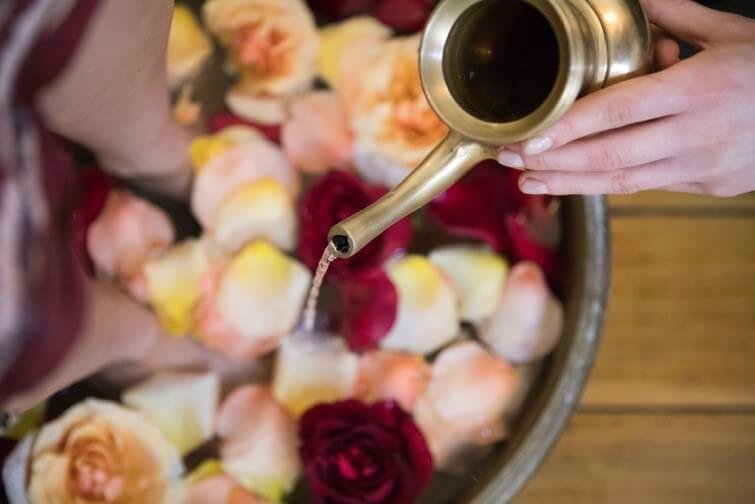
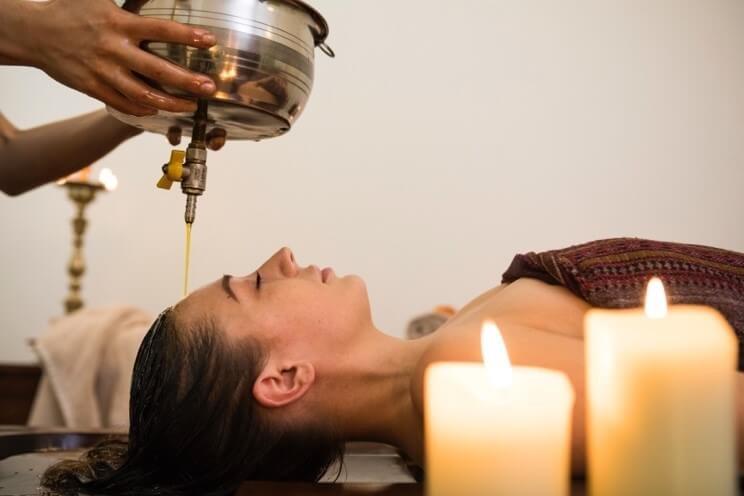
The Five Senses in Ayurveda: Portals to Wellness
In Ayurvedic philosophy, the five senses are considered vital channels through which we experience the world and maintain balance. Each sense is connected to a specific element and governs a different dimension of healing:
- Touch (Sparsha) – connected to air and skin
- Taste (Rasa) – connected to water and the tongue
- Sight (Rupa) – connected to fire and the eyes
- Smell (Gandha) – connected to earth and the nose
- Sound (Shabda) – connected to space and the ears
When all five senses are in sync, the mind becomes calm, emotions are stabilised, and the body enters a state of natural balance and vitality1.
Let’s explore how Ayurvedic Five Senses Therapy engages each of these senses through ancient healing rituals.
1. Touch: The Power of Marma Therapy and Massage
Vital energy points in the body, known as marmas, are activated during Ayurvedic massage therapies such as Abhyanga, Champi Head Massage, Shiro Abhyanga Nasya, and Pinda Swedana. These points are similar to acupressure points and help regulate the flow of Prana (life force) in the body2.
- Shiro Abhyanga Nasya: A combination of head, neck, and facial lymphatic massage, followed by therapeutic nasal treatment. This therapy is particularly effective for treating sinus issues, mental fog, and emotional imbalances.
- Pinda Swedana: A deeply nourishing massage using warm boluses of rice cooked in herb-infused milk. It detoxifies the joints, relieves pain, and rejuvenates tissues.
- Kati Basti: Warm medicated oil is pooled over the lower back in a dough dam, providing relief from sciatica, lower back pain, and stiffness.
Touch therapies calm the nervous system, reduce Vata (air and space imbalance), and bring a sense of grounding and peace.
2. Taste: Herbal Remedies for Inner Healing
In Ayurveda, food is medicine. The taste (Rasa) of herbal remedies and therapeutic oils plays a crucial role in rebalancing the doshas and detoxifying the body. Each taste—sweet, sour, salty, pungent, bitter, and astringent—has specific effects on digestion, mood, and vitality.
- Basti (Medicated Enema) is the final stage of Panchakarma and uses herbal infusions introduced through the colon. It is one of the most powerful detoxifying and rejuvenating treatments in Ayurveda3.
Basti helps clear Ama (toxins), rebalance the doshas, and transport healing herbs directly to the tissues and bloodstream.
3. Sight: Colour and Light for Energy Balance
The sense of sight is associated with the fire element, which governs transformation, metabolism, and clarity. In Ayurveda, colour therapy and visual stimulation are used to affect mood, enhance emotional wellbeing, and support chakra healing.
- Light and colour are used subtly in the healing environment—earth tones for grounding, cooling blues and greens for reducing Pitta, and warm oranges and yellows to uplift Kapha.
- Netra Tarpana, an eye rejuvenation therapy, uses ghee pooled over the eyes to nourish and relax the optic nerves, support vision, and cool excess Pitta in the body.
Even something as simple as observing nature or meditating on a candle flame (Trataka) can support the healing process through the eyes.
4. Smell: Aromatherapy and Medicinal Oils
The sense of smell is deeply connected to memory, emotion, and the subconscious mind. Ayurvedic oils infused with specific herbs and essential oils stimulate olfactory nerves and harmonise the brain and nervous system4.
- Nasya, a nasal administration of oil and herbs, helps clear the sinuses, calm the mind, and prevent respiratory issues. It’s particularly useful in treating dryness in the nasal passages caused by modern indoor environments.
- Herbal oils such as Brahmi, Ashwagandha, and Neem are selected based on your unique doshic constitution to support emotional release and relaxation.
Smell can immediately bring the body into a parasympathetic state, allowing for deep healing.
5. Sound: The Healing Vibration of Gandharva Veda Music
In Ayurveda, sound is considered the most subtle and powerful of all senses. It penetrates deep into the nervous system and the heart. During and after treatments, clients are encouraged to listen to Gandharva Veda music, an ancient form of Vedic sound therapy tuned to the rhythms of nature.
This music has been used for centuries to:
- Balance the left and right hemispheres of the brain
- Reduce anxiety and mental chatter
- Improve sleep quality
- Uplift the spirit and connect to inner peace5
Sound bypasses logic and resonates directly with the soul, making it a crucial part of Five Senses Therapy.
Panchakarma: Complete Detoxification for Body and Mind
All these therapies can be integrated into a Panchakarma program, the cornerstone of Ayurvedic detox. Panchakarma is a personalised cleansing journey designed to:
- Detoxify the digestive system
- Restore the strength of Agni (digestive fire)
- Eliminate Ama (toxins)
- Rejuvenate tissues
- Cultivate Ojas, the subtle essence responsible for vitality and immunity6
By incorporating the five senses, Panchakarma ensures that healing happens on every level—from the physical to the energetic.
FAQs about Five Senses Therapy
Q: What is the purpose of Five Senses Therapy in Ayurveda?
A: Five Senses Therapy is designed to engage all sensory organs to restore holistic balance. By healing through sight, sound, smell, taste, and touch, Ayurveda brings the body, mind, and soul into harmony.
Q: Can I receive Five Senses Therapy if I’m new to Ayurveda?
A: Absolutely. It’s a gentle and intuitive approach, perfect for those beginning their Ayurvedic journey. Each therapy is customised to your constitution and current health needs.
Q: How long does a typical session last?
A: Sessions range from 60 to 120 minutes, depending on the therapies included. A full Panchakarma program may span several days to weeks.
Q: Is Gandharva Veda music necessary for healing?
A: While not mandatory, it significantly enhances relaxation and helps the body drop into a healing state. Many clients find it to be one of the most moving parts of their treatment.
Q: Are the herbal oils and medicines safe for sensitive skin?
A: Yes. All oils and herbs used at the Ayurvedic Wellness Centre are natural, ethically sourced, and tailored to your constitution. Therapists are trained to select appropriate formulations for sensitive skin.
Reconnect With Yourself—One Sense at a Time
Ayurveda understands that healing doesn’t come from force—it arises from deep listening, stillness, and integration. When we engage all five senses in our healing process, we return to our natural state of balance, clarity, and vitality.
At the Ayurvedic Wellness Centre in Bondi Junction, our Five Senses Therapy offerings are designed to do just that. Whether you’re seeking relief from stress, physical discomfort, or emotional overwhelm, our treatments gently guide you back to centre—through every sense.
Experience Five Senses Therapy. Experience yourself.
Footnotes
- Svoboda, R. (2004). Prakriti: Your Ayurvedic Constitution. Ayurvedic Press.
- Lad, V. (2002). Textbook of Ayurveda, Vol. 1: Fundamental Principles. Ayurvedic Press.
- Sharma, H., & Clark, C. (1998). Contemporary Ayurveda: Medicine and Research in Maharishi Ayurveda. Churchill Livingstone.
- Mishra, L. C. (2004). Scientific Basis for Ayurvedic Therapies. CRC Press.
- Wallace, R. K., & Hari Sharma. (2011). The Neurophysiology of Enlightenment and Vedic Music. Journal of Consciousness Studies.
- Frawley, D. (2000). Ayurveda and the Mind: The Healing of Consciousness. Lotus Press.
After years studying health care, the drug industry and studying Ayurveda with Deepak Chopra, Rita opened the Ayurvedic Wellness Centre in Bondi Junction in 2011.
The Ayurvedic Wellness Centre has become the preferred establishment in natural and holistic healing. With the warmth, compassion and expertise of our highly trained staff, we offer a truly authentic experience, restoring internal equilibrium, balance and well-being for the mind, body and soul.
- Gut Cleanse Detox - May 12, 2026
- Hot Flashes, Mood Swings, Fatigue? There’s a Better Way Through Menopause - February 25, 2026
- Meet Our Doctor: Dr. Taruna Yadav - May 13, 2025