
As the days warm up, the heaviness you carried through winter can start to feel sluggish, congested or foggy. A gentle Ayurveda spring cleanse works with that seasonal shift by lightening your diet, waking up your digestion and building simple daily habits.
At Ayurvedic Wellness Centre, we see many Australians arrive each spring wanting to feel lighter. This guide covers dosha-specific diet, lifestyle and what detox therapy in spring looks like at our centre. Treat it as education and talk to your doctor before you change your diet or start herbs.
How the three doshas shift with the seasons
The three doshas are Vata, Pitta and Kapha, and each one rises and falls through the year. Ayurveda describes them as functional energies made from the five elements. Vata governs movement, Pitta governs transformation and heat, and Kapha governs structure and moisture.
Cold winter months let Kapha quietly gather while digestion runs a little slower. Then spring’s growing warmth “melts” that stored Kapha and stirs it up. A 2025 review of Ritucharya in the Journal of Ayurveda and Integrated Medical Sciences maps a similar cycle of build-up and aggravation for every dosha.
The table below compares how each dosha behaves and how spring can feel when it drifts out of balance.
What ama is and how it builds up
Ama is the Ayurvedic term for food or metabolic material that hasn’t been fully digested. The Sanskrit word means “raw” or “unripe.” Ayurveda links ama to weak agni, your digestive and metabolic fire.
In Ayurvedic theory, ama builds up when agni can’t keep pace with what you eat and experience. Common contributors include late-night eating and constant snacking. Overeating and heavy, cold or processed foods also play a part, along with irregular sleep and ongoing stress.
Biomedicine has no matching term for ama, so think of “toxins” as a rough translation at best. A 2025 review comparing ama with free radical theory explores parallels with oxidative stress, but that link remains a theory rather than a proven mechanism. Your body already clears waste through your liver, kidneys, gut and skin.
Ayurveda’s aim in spring is simply to ease the load on your digestion. That approach needs a small adjustment once you cross the equator.
Adapting Ayurveda to the Southern Hemisphere
Ayurveda’s seasonal calendar was written for northern India, so Australians need to shift it by roughly six months. Classical Vasanta (spring) runs from mid-March to mid-May in India. In southern Australia, the matching Kapha season falls from about mid-September to mid-November.
At Ayurvedic Wellness Centre, we use the table below as a working guide for temperate Australia. Treat the dates as approximate because Ayurveda reads the weather in front of you rather than the calendar. The classical Indian timings come from a 2025 systematic review of Ritu Shodhana, the Ayurvedic practice of seasonal purification.
Climate differences across Australia
One calendar can’t fit every part of Australia. The tropical north moves into its official wet season from October, so our practitioners often treat that humid build-up as a mixed Kapha and Pitta time.
This year adds another layer. The Bureau of Meteorology spring 2026 long-range forecast expects a warmer-than-usual spring for most of the country, with El Niño likely to gain strength. In Ayurvedic terms, a hot spring can bring Pitta forward early, so cooling choices may matter sooner than usual.
Pollen season and your breathing
Spring is also grass pollen season across south-eastern Australia. In Victoria, the season usually runs from October to December and brings a risk of thunderstorm asthma. Victoria added six automated pollen counters to its thunderstorm asthma forecasting system in 2025, so you can check the daily forecast before outdoor exercise.
If you have asthma or hay fever, keep your asthma action plan up to date with your doctor.
Signs you may need a spring cleanse
Ayurveda suggests a spring cleanse when Kapha and ama signs show up together after winter. You might notice several of these at once.
- A thick white coating on your tongue that returns each morning
- Feeling heavy or sleepy after meals, even small ones
- A weak appetite in the morning and cravings later in the day
- Sinus congestion, extra mucus or a foggy head
- Low motivation and a strong pull toward the couch
- Gradual weight gain over the cooler months
- Sluggish bowels or a feeling of incomplete digestion
These traditional signs of ama in Ayurvedic teaching overlap with many medical conditions. Ongoing fatigue, unexplained weight changes or changes in bowel habits deserve a visit to your doctor first.
Dosha-specific Ayurvedic herbs for spring detox
Ayurveda matches spring herbs to your dosha, and most traditional choices start in your kitchen. Warming spices such as ginger and black pepper suit Kapha. Cooling herbs such as coriander and fennel suit Pitta, while gentle, grounding blends suit Vata.
What the evidence says about Triphala
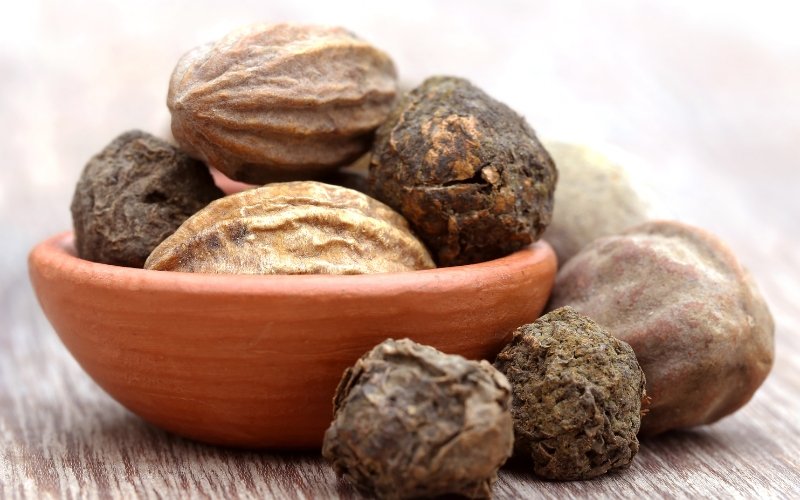
Triphala, a blend of three dried fruits, is the most studied of these traditional formulas. Across 15 controlled studies pooled in a 2025 meta-analysis of Triphala and Triphala Guggul trials, oral Triphala was linked with a modest average drop in body weight. Because the trials differed so much in rigour, the results don’t line up neatly. Little is known yet about long-term use.
Buying Ayurvedic herbs safely in Australia
Australia regulates Ayurvedic medicines as complementary medicines, putting them under the same quality and safety rules as every other medicine sold here. Cases of lead poisoning tied to imported products keep reaching the Therapeutic Goods Administration, as its alert on imported Ayurvedic products containing dangerous heavy metals shows.
Therapeutic Goods Administration testing of Brahmi Vati tablets late in 2025 found very high amounts of mercury, lead, arsenic and cadmium. Before you buy any Ayurvedic medicine, look for an AUST L or AUST R number on the pack. Ayurvedic medicines without either number should not be taken, in line with the January 2025 Victorian health advisory on Ayurvedic medicines.
Herbs can interact with prescription medicines, so tell your doctor and pharmacist about everything you take. During pregnancy or breastfeeding, avoid herbal formulas unless your doctor approves them.
Dosha-specific spring detox recipes
These spring detox recipes use Australian spring produce and staples from any Indian grocer. Each one serves two and takes 30 to 40 minutes.
Vata: warming kitchari with ghee and carrot
Kitchari is a soft blend of rice and split mung beans that Ayurveda treats as the classic cleansing meal. Ghee and sweet carrot keep it grounding for Vata. Gather these ingredients first.
- 1/2 cup white basmati rice
- 1/2 cup split yellow mung dal, rinsed well
- 1 tablespoon ghee
- 1 teaspoon cumin seeds and 1/2 teaspoon ground turmeric
- 1 teaspoon grated fresh ginger
- 1 carrot, diced
- 4 cups water and a pinch of salt
Follow these steps.
- Warm the ghee in a pot and add the cumin seeds until they sizzle.
- Stir in the ginger and turmeric, then add the rice, dal and carrot.
- Pour in the water and salt, bring to the boil and simmer for 30 to 35 minutes until soft.
- Finish with a squeeze of lemon and fresh coriander.
Pitta: mung and zucchini soup with coriander
This soup is light and gentle on a stomach that runs hot. Coriander and fennel bring flavour without extra heat. Here’s what you need.
- 1/2 cup whole green mung beans, soaked overnight
- 2 zucchini, chopped
- 1 handful of fresh peas or asparagus tips
- 1 teaspoon coconut oil or ghee
- 1 teaspoon ground coriander and 1 teaspoon fennel seeds
- 3 cups water and a pinch of salt
Cook it in four simple stages.
- Drain the soaked mung beans and simmer them in the water for about 25 minutes.
- Add the zucchini and peas, then cook for another 10 minutes.
- Warm the oil in a small pan, toast the coriander and fennel briefly and stir them into the soup.
- Blend until smooth if you like, then top with fresh coriander and a little lime juice.
Kapha: spiced barley and spring greens bowl
Ayurveda considers barley a light, drying grain, which makes it a traditional Kapha choice. Pungent spices and bitter greens complete the balance. Swap the barley for quinoa or millet if you avoid gluten.
- 1/2 cup pearl barley, rinsed
- 2 cups silverbeet or kale, shredded
- 1 cup broad beans or green beans
- 1 teaspoon mustard seeds and 1/2 teaspoon ground turmeric
- 1 teaspoon grated fresh ginger and a pinch of black pepper
- 1 teaspoon sesame oil
Prepare the bowl like this.
- Simmer the barley in 3 cups of water for 30 to 40 minutes until tender, then drain.
- Heat the oil, add the mustard seeds and wait until they pop.
- Add the ginger, turmeric and beans and sauté for 3 minutes.
- Toss through the greens and barley until wilted, then season with black pepper and lemon.
Dosha-specific spring detox meal plan
A spring detox meal plan in Ayurveda keeps your largest meal at lunchtime and your dinner light and early. The sample day below builds on the spring detox recipes above. You can repeat it for three to seven days if it suits you. If you live with diabetes, a medical condition or a history of disordered eating, plan any dietary change with your doctor or an accredited practising dietitian.
Dosha-specific drinks and hydration for spring
Warm drinks sit at the heart of an Ayurveda spring cleanse because Ayurveda sees icy drinks as dampening agni. Drink to thirst and check with your doctor if a heart or kidney condition affects your fluid intake.
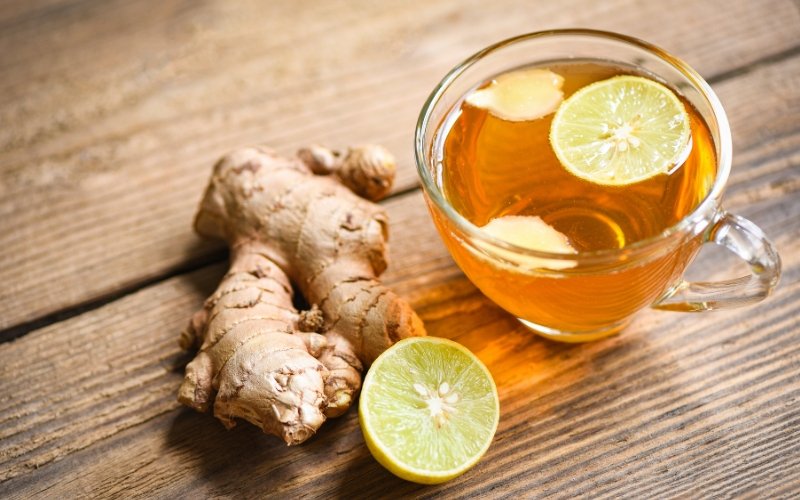
Ginger appears in many spring drinks. A 2025 systematic review of ginger meta-analyses in Frontiers in Pharmacology showed that ginger supplements tended to lower C-reactive protein, a marker of inflammation, and ease pregnancy nausea. Its effect on oxidative stress was less clear, so treat ginger tea as a comforting ritual rather than a treatment.
Drinks for Vata
Vata does best with warm, gently sweet drinks. Try ginger and cinnamon tea during the day and warm milk with a pinch of nutmeg in the evening.
Drinks for Pitta
Pitta prefers cool or room-temperature drinks rather than icy ones. Cumin, coriander and fennel tea suit Pitta well, as do mint tea and fresh coconut water. Go easy on coffee and alcohol as the weather warms.
Drinks for Kapha
Kapha benefits from hot, pungent drinks that feel stimulating. Ginger tea with a pinch of black pepper can help you feel more awake in the morning. Ayurveda allows a teaspoon of raw honey in warm drinks for Kapha but advises not to heat honey.
Dosha-specific daily routines and exercise for spring
Spring detox routines in Ayurveda revolve around rising early, moving more and keeping meals regular. Ayurveda assigns roughly 6 am to 10 am to Kapha so waking before 6 am may help you feel less sluggish. Three morning habits suit every dosha in spring.
- Gently scrape your tongue with a stainless steel or copper scraper before you brush.
- Swish a tablespoon of sesame or coconut oil around your mouth for a few minutes, then spit it into the bin rather than the sink.
- Drink a glass of warm water before breakfast.
Vata routine
Vata thrives on rhythm, so keep your waking, meal and sleep times consistent. Warm sesame oil self-massage (abhyanga) before your shower can feel grounding. Choose steady movement such as walking, swimming or slow-flow yoga, and stop well before exhaustion.
Pitta routine
Pitta needs movement without overheating. Exercise in the cooler morning or evening and choose moderate activities such as cycling, swimming or shaded bushwalks.
Kapha routine
Kapha benefits most from vigorous, sweaty exercise in spring. Brisk walks, jogging, dynamic yoga or a dance class can help you feel less heavy. Dry brushing with a soft brush or raw silk glove (garshana) before your shower can feel invigorating. Ayurveda also advises Kapha types to skip daytime naps in spring.
Breathwork for spring
Breathwork can round out your spring detox routines. Alternate nostril breathing suits every dosha, while faster techniques such as kapalabhati suit Kapha. Learn rapid breathing from a qualified teacher first. Skip it during pregnancy and if you have heart disease, high blood pressure or epilepsy.
Spring Panchakarma with Ayurvedic Wellness Centre
Panchakarma is Ayurveda’s structured, practitioner-led cleanse, and spring is its traditional season for clearing Kapha. Where home spring detox routines work through food and habits, Panchakarma adds oil therapies, herbal steam and carefully chosen cleansing procedures. At Ayurvedic Wellness Centre, we offer detox therapy in spring as an individual program rather than a fixed package.
How our spring Panchakarma works
Each program moves through four stages, tailored to your health.
- Consultation and screening: Your practitioner reviews your health history and medicines, and we may ask for clearance from your doctor before you begin.
- Preparation (purvakarma): Over several days, you eat simply and receive oil massage (snehana) and herbal steam (swedana).
- Main therapy (pradhanakarma): Classical texts recommend therapeutic emesis (vamana) for spring Kapha, but we only consider it after careful screening. We often choose gentler options such as nasal therapy (nasya) or herbal powder massage (udvartana).
- Recovery (paschatkarma): You return to normal food gradually, starting with thin rice gruel and building up to full meals over several days.
Who should wait or choose a gentler option
We usually recommend postponing or adapting panchakarma treatment if any of these apply.
- You are pregnant, breastfeeding or trying to conceive.
- You have heart disease, uncontrolled blood pressure or diabetes that needs close monitoring.
- You have a current or past eating disorder.
- You feel very run-down, are recovering from illness or are underweight.
- You are a child or a frail older adult.
Starting your spring detox gently
A spring detox doesn’t need to be extreme to feel worthwhile. Start with one habit such as warm water on waking or an earlier dinner and add another each week. Notice how your energy, digestion and sleep respond, then adjust.
If you would like a personalised Ayurveda spring cleanse, our practitioners at Ayurvedic Wellness Centre can assess your dosha and help you choose spring detox recipes that fit your life.
Disclaimer: This article is general information only. It isn’t a substitute for advice from your doctor or another registered health professional.
The first version of this article was published on Feb 9, 2016.
Sources
- Seasonal Living with Ritucharya: Balancing Body and Mind, w.s.r. to Greeshma, Varsha and Sharad Ritu (Journal of Ayurveda and Integrated Medical Sciences, 2025) – https://jaims.in/jaims/article/view/4743/
- A Critical Review Of The Concept Of Ama With Reference To Free Radical Theory (International Journal For Multidisciplinary Research, 2025) – https://www.ijfmr.com/research-paper.php?id=66253
- Ritu Shodhana in Ayurveda: A Systematic Review of Seasonal Purification for Health and NCD Prevention (Bheshaja, 2025) – https://www.nepjol.info/index.php/bheshaja/article/download/93595/70969/268973
- The bureau issues long-range forecast for spring (Bureau of Meteorology, 2026) – https://www.bom.gov.au/news-and-media/the-bureau-issues-long-range-forecast-for-spring
- Protecting Victorians From Thunderstorm Asthma (Premier of Victoria, 2025) – https://www.premier.vic.gov.au/protecting-victorians-thunderstorm-asthma-0
- Ama in Ayurveda: Understanding the Root of Toxins in the Body (Dr. D. Y. Patil Vidyapeeth, 2025) – https://ayurved.dpu.edu.in/blogs/ama-in-ayurveda-root-of-toxins
- The anti-obesity effects of triphala and triphala guggul: a systematic review and meta-analysis of clinical trials (Journal of Medicinal Natural Products, 2025) – https://repositorio.bc.ufg.br/items/2214fa80-f795-4ee2-8e84-b6c360f20a53/full
- Imported Ayurvedic products found to contain dangerous heavy metals (Therapeutic Goods Administration) – https://www.tga.gov.au/safety/safety-alerts/imported-ayurvedic-products-found-contain-dangerous-heavy-metals
- Brahmi Vati tablets: Ayurvedic medicine safety alert (Therapeutic Goods Administration, 2025) – https://www.tga.gov.au/safety/safety-monitoring-and-information/safety-alerts/brahmi-vati-tablets-ayurvedic-medicine
- Ayurvedic medicines possibly containing scheduled poisons and heavy metals (Victorian Department of Health, 2025) – https://www.health.vic.gov.au/health-advisories/ayurvedic-medicines-possibly-containing-scheduled-poisons-and-heavy-metals
- Pharmacological properties of ginger (Zingiber officinale): what do meta-analyses say? a systematic review (Frontiers in Pharmacology, 2025) – https://www.frontiersin.org/journals/pharmacology/articles/10.3389/fphar.2025.1619655/full
- The Effect of Ayurvedic Panchakarma Therapy on Body Mass Index, Blood Parameters, and Quality of Life in Individuals of Different Constitutional Types: A Pilot Study (Reabilitacijos mokslai, 2025) – https://journals.lsu.lt/reabilitacijos-mokslai/article/view/1735