
Ritucharya for summer is the Ayurvedic practice of adjusting your food, drinks and daily rhythm to keep pace with the heat. At Ayurvedic Wellness Centre in Bondi Junction, we see the same pattern every December. Clients arrive tired, irritable and short on sleep. Most have simply carried their winter routine into a hot Australian summer.
This summer Ayurvedic guide shows what Ayurveda for summer looks like in everyday life. You will find food, drink and herb ideas matched to each body type. You will also find simple routines for body care, movement and sleep, plus clinic treatments that suit the season.
Summer according to Ayurveda
Ayurveda treats summer (Grishma Ritu) as the season when heat rises, strength dips and digestion slows. In Australia, Grishma Ritu aligns with December, January and February. That means your ritucharya for summer starts now.
The classical seasonal calendar was written for northern India, where summer arrives mid-year. But Ayurveda reads the season from the climate around you rather than the calendar date. Your Australian summer is your Grishma Ritu, and Christmas lunch sits right in the middle of it.
Why Pitta rises in the heat
Summer increases the body energy from fire and water that governs heat, digestion and metabolism (Pitta dosha). Pitta shares summer’s hot, sharp and light qualities. So every hot day adds more heat to the heat already inside you.
Pitta climbs highest in the hottest months. Unbalanced Pitta often shows up as heartburn, loose stools, red or irritated skin and a short temper. Pitta is only part of the picture, though.
What happens to Vata and Kapha
Heavy sweating dries your body and drains your strength. This slowly builds the light, drying energy of movement (Vata dosha). Meanwhile, dry heat melts away the heavy, stable energy of structure (Kapha dosha).
The classical summer regimen in the 2025 Journal of Ayurveda and Integrated Medical Sciences review of Ritucharya is built around this shift. It favours sweet, cool and moist foods, rest in cool places and little alcohol. Those three themes run through every section that follows.
Common summer health concerns
Most summer complaints in our clinic fall into three groups: heat illness, digestive upset and skin or sleep trouble. Some are simple Pitta signs you can ease at home. Others need a doctor immediately.
Heat exhaustion and heatstroke
Heat is the most serious summer health risk in Australia. Natural heat sent 538 Australians to hospital in 2024-25, more than any other weather or natural hazard in the Australian Institute of Health and Welfare’s Injury in Australia data on forces of nature. That summer ran 1.90°C above average, making it the second-hottest since national records began.
Heatstroke needs an ambulance, not an Ayurvedic remedy. Call triple zero (000) if someone has a body temperature of 40°C or higher with confusion, poor coordination or hot dry skin. Follow the first aid steps in the healthdirect heatstroke guide while you wait for help.
Digestive upset and acidity
Summer weakens your digestive fire (agni), which is why heavy barbecues and late festive dinners can leave you bloated or burning. Acid reflux, loose stools and nausea are common Pitta signs. Vomiting or diarrhoea lasting more than a day needs a visit to your GP.
Skin, sun and sleep trouble
Pitta heat often shows on your skin first as rashes, redness or breakouts. Australia’s UV adds real danger to that. On a clear January day, most Australian locations see a UV Index of 11 or higher, and bare skin can start to burn within 15 minutes around noon.
Poor sleep is the other complaint I hear about most in summer. The mind, emotions and sleep section below covers it in detail.
Diet and nutrition for each dosha
The heart of Ayurvedic health tips for summer is simple. Eat more sweet, bitter and astringent foods. Eat less spicy, sour, salty and fried foods.
In Ayurveda, digestion peaks around midday, so make lunch your main meal and keep dinner light. Use Australian summer produce such as mangoes, watermelon and cherries. Cucumbers and zucchini are just as cooling on the savoury side. The table below shows how to adapt summer eating to your dominant dosha.
Vata in summer
Vata types often feel wonderful in early summer and depleted by February. Keep meals regular, moist and gently cooked, even when salads seem more tempting. A spoon of ghee on rice helps counter the drying effect of heat and sweat.
Pitta in summer
Pitta types need the most care in summer. Rely on cooling, juicy foods through the hottest weeks. Cut back on chilli, coffee and alcohol until the heat eases. Leave the second helping of Christmas ham for another time.
Kapha in summer
Summer is usually the easiest season for Kapha types. Fresh fruit and vegetables suit you well, but sweet treats and heavy dairy have the opposite effect. Lighter meals help you maintain the energy summer naturally brings.
Hydration and drinks for each dosha
Room-temperature water is your summer foundation, with cooling drinks added to suit your dosha. Ayurveda discourages iced drinks because they dampen digestion. Thirst is a late signal, so sip steadily through the day.
Traditional cooling drinks have real public health backing in India. India’s Ministry of Ayush included cumin and coriander seed water, raw mango drinks and gooseberry buttermilk in its May 2026 Public Health Advisory on Extreme Heat/Heatwave. The same advisory lists alcohol, tea, coffee and sugary soft drinks as drinks to avoid because they add to fluid loss.
A simple cooling seed water
Cumin, coriander and fennel water is the easiest Pitta-friendly drink to make at home. Simmer half a teaspoon of each seed in a litre of water for five minutes. Strain it and let it cool to room temperature before sipping through the day.
Herbs and spices for each dosha
Cooling kitchen spices are the safest place to start: coriander, fennel, cardamom and fresh mint. They gently flavour food and suit almost every body type in summer. Save stronger herbs for guidance from a qualified practitioner.
Amalaki, the classic Pitta herb

The sour, vitamin C-rich fruit Ayurveda uses to cool and rebuild the body (amalaki) is often called Indian gooseberry. A 2026 Pharmacognosy Research review links its vitamin C and polyphenols to antioxidant and anti-inflammatory effects. Human trials remain small, and larger studies with standardised preparations are still needed.
Buy herbs and supplements safely
In Australia, choose herbal products with an AUST L or AUST R number on the pack. Avoid taking Ayurvedic medicines without these numbers. If you take prescription medicines, check with your GP or pharmacist before adding any herbal supplement.
Summer daily routines
A good summer daily routine (dinacharya) moves your activity to the cool edges of the day and keeps the hot middle hours quiet. It also gives your weakened summer digestion a steady rhythm. A typical Dinacharya for summer advice we give to clients:
- Wake early, ideally before sunrise, and drink a glass of room-temperature water.
- Scrape your tongue and swish a spoon of coconut oil around your mouth for a few minutes.
- Move your body before 8am while the air is still cool.
- Eat your main meal at lunch, then stay in the shade or indoors through the hottest hours.
- Take a short rest after lunch if the heat drains you. Classical texts permit daytime sleep only in summer.
- Eat a light dinner early and switch off screens an hour before bed.
Small repeatable habits work better than a perfect plan you abandon by New Year. Start with two of these steps and add more as they feel natural.
Body care
Summer body care in Ayurveda swaps warming sesame oil for cooling coconut oil. It adds sandalwood and rose to soothe the skin. In Australia, it always starts with sun protection.
Cooling self-massage (Abhyanga)
Daily self-massage with oil (Abhyanga) is one of the most loved Ayurvedic rituals, and coconut oil makes it summer-friendly. Five minutes before your morning shower is enough. Skip it during fever, acute illness or on broken skin.
Sandalwood, rose and foot care
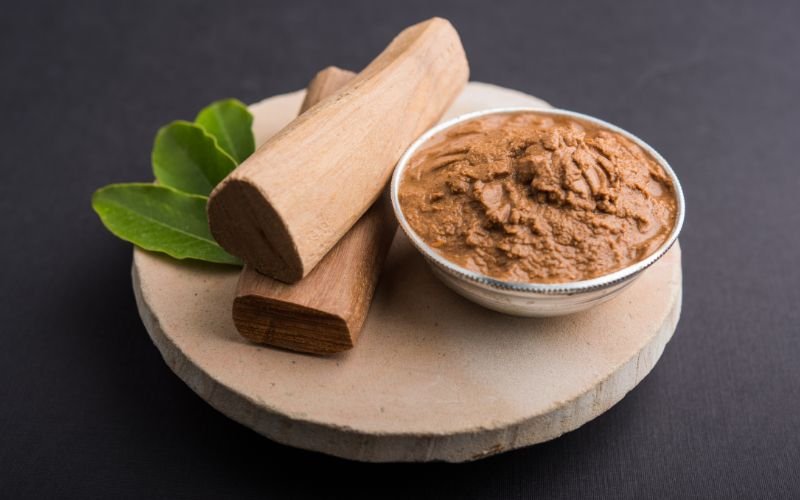
Sandalwood paste and vetiver paste are classic Ayurvedic skin coolers for hot weather. A mist of rose water on your face and neck brings quick relief on a sticky afternoon. Before bed, try a gentle foot massage with coconut oil or ghee (padabhyanga). Patch test any new paste or oil on your inner arm first.
Sun protection comes first
No cooling oil replaces sunscreen under Australian UV. Once the UV Index hits 3, use all five SunSmart steps. That means sun-protective clothing, SPF50 or SPF50+ sunscreen, and a broad-brimmed hat. Add shade and sunglasses.
Exercise and movement
Summer exercise should leave you refreshed, not drenched, so keep it gentle and early. Classical texts advise against strenuous exercise in Grishma Ritu because heavy sweating builds Vata. Work at roughly half your usual effort on hot days.
Australian summers give you ideal options for this. Swim in the ocean or a pool, walk along the beach at sunrise or take a slow evening yoga class. Favour forward folds, gentle twists, Moon Salutations and a long final rest.
Cooling breath practices
The cooling breath drawn in over a curled tongue (Sheetali pranayama) is the signature summer breathing practice. If you cannot curl your tongue, breathe in gently through closed teeth instead (Sheetkari pranayama).
Save forceful breathing techniques such as rapid belly pumping for cooler months. And if you feel dizzy at any point, stop and breathe normally.
Movement by dosha
Each dosha handles summer exercise a little differently. Here is a quick guide:
- Vata: Choose steady, grounding movement like walking, swimming or slow yoga. Stop before you feel exhausted.
- Pitta: Avoid competitive midday sport and hot yoga. Swimming and evening walks suit you best.
- Kapha: You can handle more intensity, such as brisk walks or cycling. Finish before the morning heat builds.
Mind, emotions and sleep tips
Summer heat often shows up as a short fuse, racing thoughts and broken sleep. Calming the mind matters as much as cooling the body. December adds deadlines, Christmas gatherings and travel, which all feed Pitta.
Hot weather costs you sleep. Higher day and night temperatures were linked to shorter sleep according to a study of more than 14,000 adults, with larger effects in people with chronic illness. These simple habits can help you rest more easily:
- Keep your bedroom dark and cool, and choose cotton or linen sheets.
- Massage coconut oil or brahmi oil into your scalp and feet before bed.
- Take a slow walk at dusk or by moonlight, which Ayurveda considers soothing for Pitta.
- Switch off work emails and screens an hour before sleep.
- Practise five minutes of Sheetali or slow belly breathing when irritation builds.
Breathwork is not a cure-all, but early evidence is encouraging. A 2025 systematic review of pranayama in Frontiers in Psychiatry found that yogic breathing modestly reduced symptom severity across six trials in people with mental health conditions. It showed no clear effect on depression, though.
If low mood, anxiety or poor sleep lasts more than two weeks, please talk to your GP. Ayurveda works best alongside good medical care.
Ayurvedic treatments for summer
The most popular Ayurvedic treatments for summer are cooling oil therapies that calm Pitta. Abhyanga and Shirodhara lead the list. A qualified practitioner adjusts each treatment to your dosha and current health.
Abhyanga with cooling oils
A full-body Abhyanga in summer uses lighter, cooling oils rather than heavy warming blends. Our therapists at Ayurvedic Wellness Centre choose oils to suit your dosha and the week’s weather. Many clients book one as a reset after the festive rush.
Shirodhara and Takradhara
A slow, steady stream of herbal oil poured across your forehead (Shirodhara) is one of Ayurveda’s most relaxing treatments. In summer, some practitioners use a version with medicated buttermilk instead of oil (Takradhara). Both aim to settle an overheated, overactive mind.
Seasonal cleansing under supervision
Ayurveda’s deeper cleansing programme (Panchakarma) includes a guided herbal purgation for excess Pitta (Virechana). Classical texts usually schedule Virechana for the season after summer (Sharad Ritu). At Ayurvedic Wellness Centre, Panchakarma is only prescribed after a consultation with one of our Ayurvedic doctors.
Choosing a qualified practitioner
Ayurvedic practitioners in Australia are not registered with the Australian Health Practitioner Regulation Agency. Instead, we work under state and territory codes of conduct for unregistered health practitioners, outlined in this 2025 white paper on the National Code of Conduct for Health Care Workers. Look for membership of a professional body such as the Australasian Association of Ayurveda.
Start your ritucharya for summer this week
Your ritucharya for summer does not need to be perfect to help. Pick three changes this week, such as room-temperature water, lighter dinner and earlier walk. Notice how your sleep, digestion and mood respond over the next fortnight.
Ayurveda for summer is about working with the season instead of against it. If you would like a plan built around your own dosha, book an Ayurvedic Doctors Consultation at Ayurvedic Wellness Centre in Bondi Junction. We will turn these Ayurvedic health tips for summer into a summer Ayurvedic guide that fits your lifestyle.
The first version of this article was published on February 9, 2016.
This article shares general Ayurvedic wellness information and does not replace advice from your GP or another registered health practitioner. Ayurvedic practices are not a treatment for heatstroke, skin cancer or any medical condition. Always seek medical care for severe or worsening symptoms.
Sources
- Forces of nature, Injury in Australia – https://www.aihw.gov.au/reports/injury/forces-of-nature
- Heatstroke | healthdirect – https://www.healthdirect.gov.au/heatstroke
- Seasonal Living with Ritucharya: Balancing Body and Mind, w.s.r. to Greeshma, Varsha and Sharad Ritu – https://jaims.in/jaims/article/view/4743
- Public Health Advisory: Extreme Heat/Heatwave – https://static.pib.gov.in/WriteReadData/specificdocs/documents/2026/may/doc2026518872201.pdf
- Amalaki as a Natural Cardioprotective Agent: Insights from Ayurveda and Modern Medicine – https://www.phcogres.com/article/18/2/302.pdf
- Study links rising temperatures to reduced sleep in U.S. adults – https://keck.usc.edu/news/study-links-rising-temperatures-to-reduced-sleep-in-u-s-adults/
- Effectiveness of pranayama for mental disorders: a systematic review and meta-analysis of randomized controlled trials – https://www.frontiersin.org/journals/psychiatry/articles/10.3389/fpsyt.2025.1616996/full
- White Paper 2: The National Code of Conduct for Unregistered Health Practitioners – https://www.atms.com.au/wp-content/uploads/2025/11/White-Paper-2-National-Code-of-Conduct.pdf

