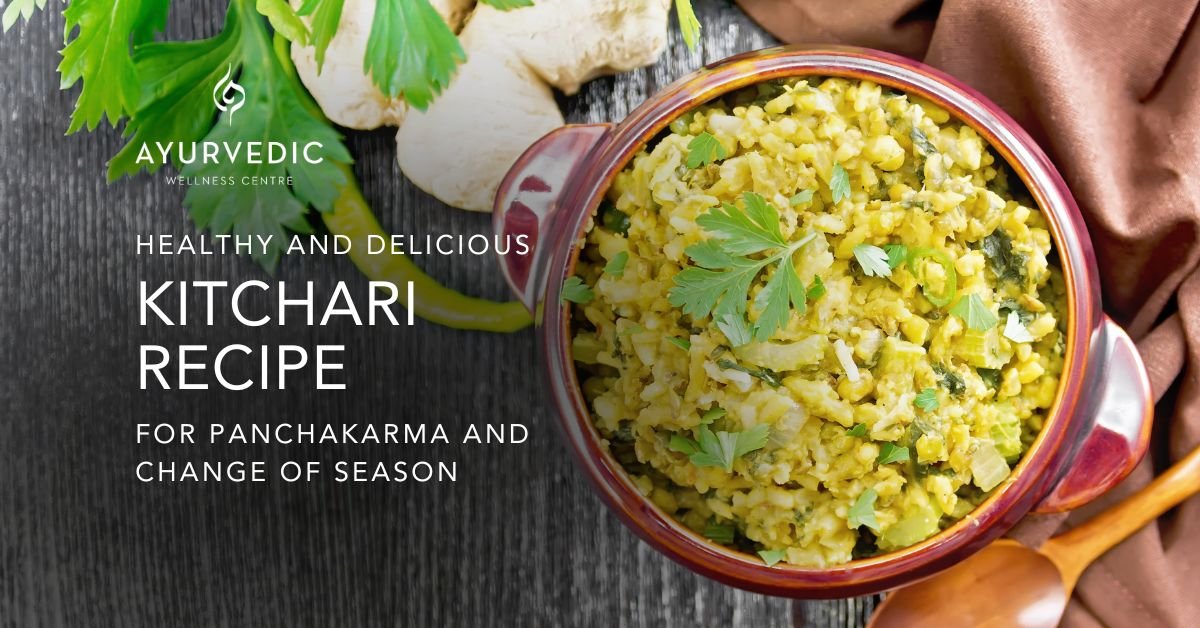
Kitchari is a one-pot porridge of basmati rice and split mung dhal, cooked slowly with ghee and whole spices until soft. The name loosely means “mixture,” and Indian families have cooked versions of it (often spelled khichdi) for generations. A question I hear in our clinic every week is simple: what is kitchari, and why do Ayurvedic doctors recommend it so often?
The answer lies in digestion. Ayurveda places great weight on your digestive fire (agni) because weak agni can leave behind a sticky, heavy residue (ama). Over time, this residue can settle into your tissues. That is why we treat food as the first place to restore balance. Kitchari is warm, soft and simply spiced, so it asks very little of your agni.
That gentleness is why kitchari is traditionally served during Ayurveda’s seasonal cleansing therapy (Panchakarma). You can also enjoy it whenever your appetite feels low or the seasons change. Part of its appeal comes from the way its two main ingredients work together.
Kitchari ingredients
You need just ten kitchari ingredients, and most supermarkets or Indian grocers in Australia stock them all. Gather these before you start:
- 1 cup basmati rice
- ¼ cup split mung dhal (yellow, or green with the skin on)
- ¼ teaspoon turmeric
- 5½ cups hot water, plus extra if needed
- 1½ teaspoons salt
- 2 tablespoons ghee
- 1 heaped tablespoon cumin seeds
- 1 heaped tablespoon mustard seeds
- 1 heaped tablespoon fennel seeds
- ¼ teaspoon asafoetida powder (hing)
Two of these kitchari ingredients deserve a closer look before you shop.
Choosing your hing
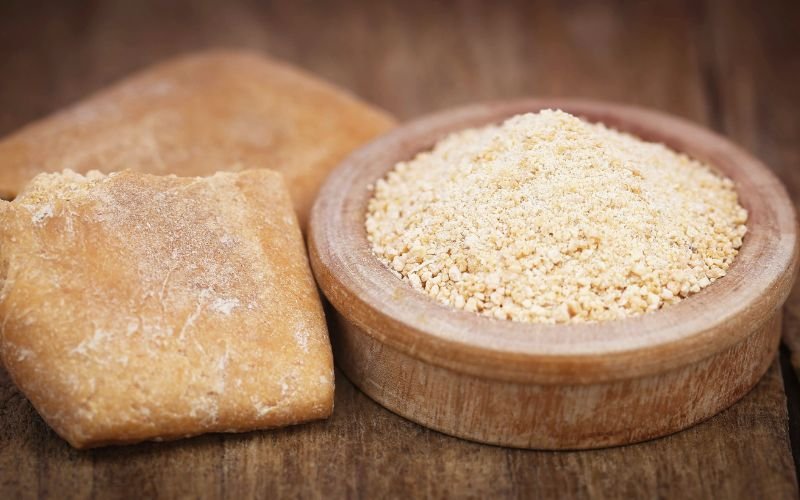
Read the label on your hing before buying. Ground hing is usually sold as a compound blended with flour to make it easier to measure, and some brands use wheat flour. Under Food Standards Australia New Zealand allergen labelling rules, any food containing a gluten cereal must show the word “gluten” in a bold “Contains” statement near the ingredient list. If you live with coeliac disease, choose hing labelled as gluten-free.
Choosing your fat
Ghee is the traditional fat for kitchari. Ayurveda values it for carrying the flavour of the spices and its grounding quality. Ghee is rich in saturated fat, which can raise heart disease risk over time when it makes up a large share of your diet. For that reason, we recommend olive, avocado, peanut or seed oils for everyday heart-healthy cooking.
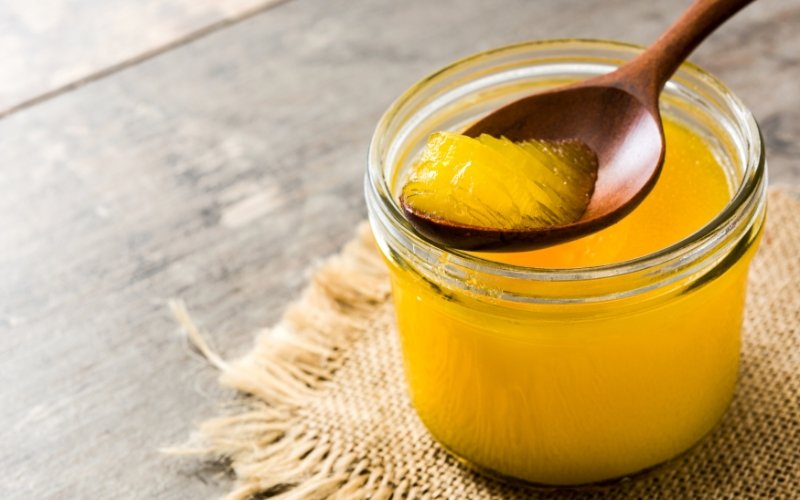
If you have high cholesterol or heart disease, keep to the 2 tablespoons in this recipe or use olive oil instead. Your kitchari will still taste great. Now you are ready to cook.
How to make kitchari
Learning how to make kitchari takes a single attempt because the method stays the same every time. Plan for 30 minutes of soaking, then about 55 to 60 minutes of cooking. Follow these steps in order since the timing of the spices shapes the flavour:
- Wash the rice and mung dhal in a bowl of cold water, changing it two or three times until it no longer looks cloudy.
- Leave the grains to soak for half an hour, then tip them into a sieve to drain.
- Melt the ghee in a heavy-based pot over medium-high heat. Once it shimmers, scatter in the fennel, mustard and cumin seeds.
- Give the seeds about 30 seconds to crackle and release their aroma, then sprinkle in the hing.
- Tip in the drained rice and mung dhal, stirring so every grain picks up a coating of spiced ghee.
- Pour in the hot water, followed by the turmeric and salt, and stir well.
- Let everything come up to a rolling boil.
- Turn the heat down low and put the lid on. Cook gently until the grains have soaked up the liquid and turned tender.
- Ladle it into bowls while it is still steaming.
Tips for the best texture
Cooking in a thick, heavy pot or non-stick saucepan keeps the kitchari from scorching underneath. If the pot looks dry before the rice and dhal are tender, add a splash of hot water and keep simmering. For a softer, soupier bowl, add a little more water near the end. Serve it straight from the pot since Ayurveda favours meals eaten hot.
Dosha-specific adjustments to the kitchari recipe
The basic kitchari recipe suits all three mind-body energies (doshas), and small changes tailor it to whichever dosha is running high for you. Ayurveda balances a dosha with foods of the opposite qualities. If you are unsure of your dosha, an Ayurvedic doctor can assess your constitution during a consultation.
Vata: add warmth and moisture
Vata calls for a richer, more grounding bowl. This dosha is cool, dry and light by nature. It settles with warmth, moisture and a steady routine. Try these changes when Vata feels high:
- Use the full 2 tablespoons of ghee, or a little more if your heart health allows.
- Add a pinch of ground ginger or cinnamon with the seeds.
- Stir in diced sweet potato, pumpkin or carrot with the rice.
- Cook the kitchari a little wetter and eat it hot at regular mealtimes.
Pitta: keep it cool and mild
Pitta calls for a cooler, gentler bowl with fewer heating spices. This dosha carries the qualities of fire, so you want sweet, bitter and astringent flavours on your plate. Try these changes when Pitta feels high:
- Halve the mustard seeds or leave them out.
- Keep the white basmati rice, which sits well with Pitta.
- Add cooling vegetables such as zucchini or squash.
- Finish with fresh coriander and a little mint.
- Skip extra ghee and fried toppings.
Kapha: make it lighter
Kapha calls for a lighter, drier and more stimulating bowl. This dosha is heavy and steady by nature, so it responds to warmth, pungent spices and less fat. Try these changes when Kapha feels high:
- Reduce the ghee to 1 tablespoon.
- Swap half the rice for millet or quinoa.
- Increase the amount of mung dhal.
- Add fresh ginger and a pinch of black pepper or cayenne.
- Fill the pot with light vegetables such as leafy greens.
Eating kitchari safely
Kitchari is a whole food, yet a few people should take extra care before eating it often. Keep these points in mind:
- If you have a legume allergy or sensitivity, check with your doctor before adding mung dhal to your meals.
- If you have coeliac disease, use only gluten-free hing.
- If you are pregnant, manage diabetes or take regular medication, talk to your GP before following a kitchari-only plan.
Kitchari supports a lighter way of eating, but it never replaces medical care. If you would like a kitchari recipe matched to your own constitution, our Ayurvedic doctors in Bondi Junction can guide you through it.
The first version of this article was published on February 11, 2016.
Sources
- Allergen labelling for consumers – https://www.foodstandards.gov.au/consumer/labelling/allergen-labelling