Ayurveda sees menopause, called Rajonivritti, as a natural shift into the Vata stage of life rather than a disease. In Sanskrit, rajah means menstrual flow and nivritti means stopping. Classical texts such as the Sushruta Samhita place this change at around 50 years of age.
Kapha dosha rules childhood and Pitta dosha rules the fertile years, after which Vata dosha takes over. Perimenopause is the bridge between the Pitta and Vata phases, which helps explain why it can feel unsettled.
The role of Vata, dhatus and agni
Vata dosha governs movement, dryness and lightness in your body. As Vata increases, Ayurveda describes a gradual thinning of the seven dhatus (body tissues) from rasa (plasma) to asthi (bone) and artava (reproductive tissue). Agni, your digestive fire, can also weaken and affect how well you absorb nourishment.
Ayurveda links many familiar symptoms to this rise in Vata. Dryness appears as vaginal dryness and dry skin, while restless Vata in the mind shows as anxiety and light sleep. Ayurvedic treatment for menopause aims to soothe Vata, rebuild depleted tissues and support agni.
Dosha-specific menopause types
Ayurveda describes three main menopause patterns: Vata-type, Vata-Pitta type and Vata-Kapha type. Your prakriti (birth constitution) and vikriti (current imbalance) shape which pattern shows up for you.
Vata-type menopause
Vata-type menopause is the most common pattern, and it centres on dryness and anxiety. You may notice broken sleep, worry and palpitations. Constipation and vaginal dryness are also common, while hot flushes tend to come and go unpredictably rather than burn intensely.
Vata-Pitta type menopause
Vata-Pitta type menopause brings more heat and intensity. Hot flushes and night sweats can feel stronger and last longer. Irritability and burning sensations often travel with this pattern.
Vata-Kapha type menopause
Vata-Kapha type menopause tends to feel heavy and slow. If Kapha is your main constitution, you often move through the change more smoothly overall. When Kapha falls out of balance, you may gain weight steadily and feel sluggish or flat.
Symptom-specific Ayurvedic treatment for menopause
Ayurveda for menopause symptoms starts with the symptom that troubles you most and treats the imbalance underneath it, using your dosha pattern as the guide.
Hot flushes and night sweats
Ayurveda treats hot flushes as Pitta heat stirred up by restless Vata, so cooling and calming go together. Sheetali (cooling breath), coconut water and Shatavari are traditional cooling supports.
Sleep problems and anxiety
Broken sleep and a racing mind reflect Vata in the manovaha srotas, the channels of the mind. A warm, regular evening routine is the first step. Ayurveda traditionally uses Ashwagandha, Brahmi and Jatamansi to calm the nervous system, and a practitioner may suggest Shirodhara for deeper support.
Vaginal dryness and low libido
Ayurveda reads vaginal dryness as Vata drying the reproductive tissues, so the focus is on nourishment and lubrication. Healthy fats like ghee and sesame oil, regular Abhyanga and Shatavari are classic choices. Please speak with your GP as well, since they can discuss local treatments for vaginal symptoms.
Bone and joint health
Ayurveda links bone loss to Vata depleting asthi dhatu, so your plan usually pairs calcium-rich foods with warm oil massage and weight-bearing movement. Ask your GP whether a bone density scan suits you.
Weight gain, fatigue and low mood
Ayurveda connects slow metabolism, heaviness and low mood with Kapha and weak agni. Lighter warm meals, warming spices like ginger and black pepper, and brisk daily movement are traditional ways to rekindle agni. Practitioners often add Triphala, a classic digestive formula.
When to see your GP first
Some symptoms need a medical check before starting any Ayurvedic treatment for perimenopause or menopause. See your GP promptly if you notice any of these signs.
- Bleeding after 12 months without a period.
- Very heavy or prolonged bleeding during perimenopause.
- Chest pain, shortness of breath or a racing heart that won’t settle.
- Low mood that lasts longer than two weeks, or any thoughts of harming yourself.
Since 1 July 2025, Medicare has funded a dedicated menopause and perimenopause health assessment with your GP that lasts at least 20 minutes.
Ayurvedic herbs for menopause
Shatavari and Ashwagandha are the most researched Ayurvedic herbs for menopause, while herbs like Brahmi and Arjuna rely mainly on traditional use. Herbs are safest when a qualified practitioner matches them to your dosha, symptoms and medications. Compare the main options in the table below.
Choosing safe products in Australia
Quality matters as much as the herb when buying Ayurvedic herbs for menopause. Check the label for an AUST L or AUST R number, which the Victorian Department of Health treats as a sign the product is cleared for legal sale here. Imported products are a bigger concern. The Therapeutic Goods Administration has linkedcases of lead poisoning to contaminated Ayurvedic imports, and laboratory tests found lead, mercury and arsenic in them.
Tell your GP and pharmacist about every herb you take, as some may interact with prescription medicines.
What the research says
Among the herbs in this guide, Shatavari has the most recent trial evidence. A November 2025 three-arm trial of 135 women aged 45 to 65 found Shatavari root extract lowered Menopause Rating Scale and perceived stress scores over eight weeks. A separate November 2025 trial in perimenopausal women reported an average 12.5-point drop in Menopause Rating Scale scores with Shatavari, compared with 1.6 points on placebo. Blood tests in that trial showed no harm to the liver or kidneys.
In a placebo-controlled trial published in January 2026, 60 women aged 45 to 55 who took Ashwagandha root extract for 56 days had fewer hot flushes and lower perceived stress than the placebo group. These trials are small and short, so larger and longer studies remain needed.
In July 2025 the Therapeutic Goods Administration updated its warning on Ashwagandha and very rare liver injury, bringing the number of possible Australian cases to 11. A June 2026 article from Henry Ford Health explains glycyrrhizic acid in licorice root can raise blood pressure, and its cardiologist advises people with high blood pressure to avoid licorice root supplements.
Ayurvedic diet for menopause
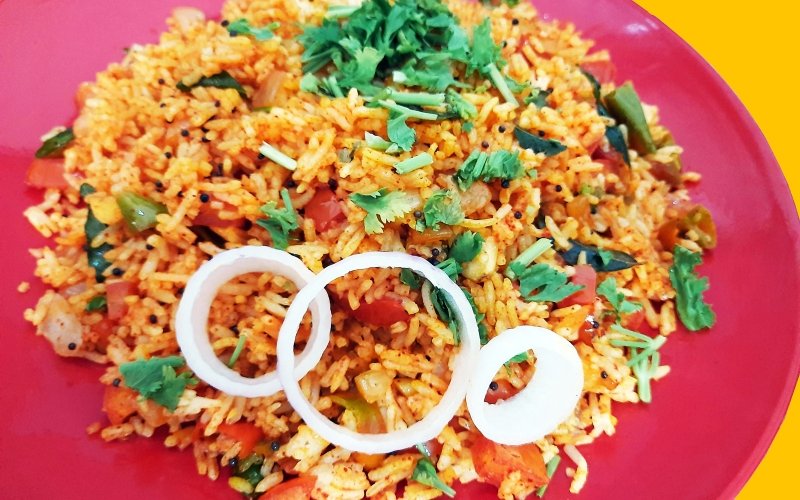
An Ayurvedic diet for menopause favours warm, cooked and nourishing meals that settle Vata and protect agni. In Ayurveda, the sweet taste comes from foods like grains, root vegetables and ghee. Eat at regular times, as skipped meals and late dinners unsettle Vata.
Foods to favour
These foods suit most women during the change, with minor tweaks for your dosha.
- Cooked whole grains such as rice, oats and quinoa.
- Soft-cooked vegetables, especially pumpkin, sweet potato and zucchini.
- Kitchari, a gentle one-pot dish of rice and mung dal.
- Ghee, sesame oil and soaked almonds.
- Calcium-rich foods such as yoghurt, firm tofu, tahini and leafy greens.
- Digestive spices such as cumin, coriander and fennel.
Foods to reduce
These foods tend to aggravate heat or dryness, so keep them occasional treats.
- Chilli and very spicy dishes, especially if hot flushes trouble you.
- Alcohol and strong coffee.
- Cold, dry or raw foods straight from the fridge.
Choose cucumber and coconut if you run hot, or add ginger and black pepper if you feel heavy.
What the research says
Calcium needs rise in midlife. Healthy Bones Australia sets a daily target of 1,300 mg for women over 50 and prefers you reach it through meals.
Phytoestrogen foods like soy are often promoted for hot flushes, but the evidence is uneven. A July 2025 meta-analysis in PeerJ found soy isoflavones had no significant effect on hot flushes or insomnia in perimenopausal women. Enjoy soy and flaxseed as nourishing foods rather than treatments.
Ayurvedic lifestyle for menopause
An Ayurvedic lifestyle for menopause rests on dinacharya, a steady daily routine that gives restless Vata something to hold onto. Regular times for waking, eating and sleeping form the foundation for the rest of your plan.
A simple daily routine
This routine is a gentle starting point you can adapt with your practitioner.
- Wake around sunrise and sip a glass of warm water.
- Massage your body with warm sesame oil for 10 minutes before you shower. Use coconut oil instead if you run hot.
- Move each morning with a walk, yoga or strength work.
- Make lunch your main meal, when Ayurveda considers agni strongest.
- Eat a light, early dinner.
- Switch off screens an hour before bed and aim to sleep by 10 pm.
Sleep, stress and the seasons
Warm spiced milk with nutmeg, a foot massage with oil and dim lighting are traditional ways to wind Vata down before bed. Seasonal routines, called ritucharya, also matter. Sydney’s humid summers can increase Pitta heat, while cold and windy winter days can aggravate Vata.
Exercise for strong bones
Weight-bearing movement like walking, dancing and resistance training supports your bones as estrogen falls. Gentle and grounding exercise suits a Vata-type pattern. Shaded or cooler activity suits Vata-Pitta, while Vata-Kapha usually benefits from more vigorous sessions.
Yoga, pranayama and meditation for menopause
Yoga, pranayama and meditation are among the most studied parts of Ayurveda for menopause symptoms, especially for mood and sleep. Ayurveda describes their calming effect on the nervous system as settling Vata in the mind. Fifteen minutes a day at home is enough to start.

Yoga poses to try
These gentle poses suit most women and can be adapted with props.
- Supta Baddha Konasana (reclined bound angle), to open the hips and quieten the mind.
- Viparita Karani (legs up the wall), a restful pose for the evening.
- Setu Bandhasana (bridge pose), to strengthen your back and glutes.
- Virabhadrasana II (warrior II), a standing pose that builds leg and hip strength.
Avoid heated yoga styles if hot flushes are frequent. If you have osteoporosis, check with your GP before deep forward folds or twists.
Pranayama for cooling and calm
Sheetali, where you inhale through a curled tongue, is the classic cooling breath for Pitta heat. Nadi Shodhana (alternate nostril breathing) traditionally balances the mind, and Bhramari (humming bee breath) can soothe before sleep.
Meditation and yoga nidra
Ten minutes of breath-focused meditation each morning is a realistic start. Yoga nidra, a guided relaxation practised lying down, can help you return to sleep if you wake at 3 am.
What the research says
A January 2025 meta-analysis of randomised trials pooled 10 studies with 989 women and found yoga eased total menopausal symptoms. It also reported better sleep quality and lower anxiety, although the studies varied widely.
A 2025 meta-analysis of 18 randomised trials involving 1,572 women found mind-body therapies like yoga and mindfulness had moderate to large benefits for sleep, depression and anxiety. A February 2025 randomised trial of mindfulness training also reported better menopause-specific quality of life, including the vasomotor domain. Research on breathing techniques for hot flushes is limited, so treat pranayama as a calming practice rather than a cure.
Panchakarma and Ayurvedic therapies for menopause at Ayurvedic Wellness Centre
At Ayurvedic Wellness Centre in Bondi Junction, Ayurvedic treatment for perimenopause and menopause begins with a one-on-one consultation rather than a set package. We look at your prakriti and current imbalance, along with your symptoms, diet and medical history.
What Panchakarma means for you
Panchakarma is Ayurveda’s structured program of cleansing and rejuvenation. For menopause, the emphasis usually sits on gentle and nourishing therapies that calm Vata rather than intense cleansing.
Your practitioner will check whether Panchakarma suits you, particularly if you have a heart condition or take regular medicines. The table below outlines therapies you may meet in a menopause plan.
What a typical plan might look like
Your plan might combine Abhyanga or Shirodhara sessions with dietary guidance, herbs and a home routine. We review your progress at follow-up visits and encourage you to keep your GP updated.
Ayurveda for menopause offers a gentle, personalised way to care for your body and mind through the change, especially when it works alongside good medical care. If you would like a plan built around your dosha, book a consultation with Ayurvedic Wellness Centre in Bondi Junction.
Sources
- Medicare Benefits Schedule: Item 695 (Menopause and Perimenopause Health Assessment) – https://www9.health.gov.au/mbs/fullDisplay.cfm?type=item&q=695&qt=ItemID
- Ayurvedic medicines containing lead, other heavy metals and scheduled poisons – https://www.health.vic.gov.au/health-advisories/ayurvedic-medicines-possibly-containing-scheduled-poisons-and-heavy-metals
- Imported Ayurvedic products found to contain dangerous heavy metals – https://www.tga.gov.au/safety/safety-monitoring-and-information/safety-alerts/imported-ayurvedic-products-found-contain-dangerous-heavy-metals
- Efficacy and safety of Shatavari root extract (Asparagus racemosus) for menopausal symptoms: a randomized, double-blind, three-arm, placebo-controlled study – https://www.ncbi.nlm.nih.gov/pmc/articles/PMC12695842/
- Efficacy and Safety of Shatavari (Asparagus racemosus) Root Extract for Perimenopause: Randomized, Double-Blind, Placebo-Controlled Study – https://www.dovepress.com/efficacy-and-safety-of-shatavari-asparagus-racemosus-root-extract-for–peer-reviewed-fulltext-article-IJWH
- A prospective, randomized, double-blind, placebo-controlled study on efficacy and safety of Ashwagandha root extract (Withania somnifera) for managing menopausal symptoms in women – https://www.frontiersin.org/journals/reproductive-health/articles/10.3389/frph.2025.1647721/full
- Withania somnifera (Ashwagandha) and very rare risk of liver injury – https://www.tga.gov.au/news/safety-updates/withania-somnifera-ashwagandha-and-very-rare-risk-liver-injury
- Can Licorice Root Make My Blood Pressure Worse? – https://www.henryford.com/blog/2026/06/can-licorice-root-make-my-blood-pressure-worse
- Calcium & Bone Health – https://healthybonesaustralia.org.au/your-bone-health/calcium/
- Effects of soy isoflavones on menopausal symptoms in perimenopausal women: a systematic review and meta-analysis – https://pubmed.ncbi.nlm.nih.gov/40718787/
- Bone health – https://www.jeanhailes.org.au/health-topics/bone-health/
- The effectiveness of yoga on menopausal symptoms: A systematic review and meta-analysis of randomized controlled trials – https://www.sciencedirect.com/science/article/abs/pii/S0020748924002414
- Mind-body therapies for sleep disturbances, depression, and anxiety in menopausal women: a systematic review and meta-analysis of randomized controlled trials – https://www.frontiersin.org/journals/public-health/articles/10.3389/fpubh.2025.1686981/full
- Mindfulness for Menopausal Women: Enhancing Quality of Life and Psychological Well-Being Through a Randomized Controlled Intervention – https://sigmapubs.onlinelibrary.wiley.com/doi/10.1111/jnu.70003